

In an effort to combat illegal drug use in public spaces, the Ontario government has announced plans to authorize special constables to make arrests on transit, a move that critics argue may disproportionately impact the most vulnerable individuals in the province.
Speaking at Downsview station, Solicitor General Michael Kerzner emphasized the importance of ensuring commuter safety, particularly in enclosed transit settings where encounters with individuals using illicit substances can be alarming and risky.
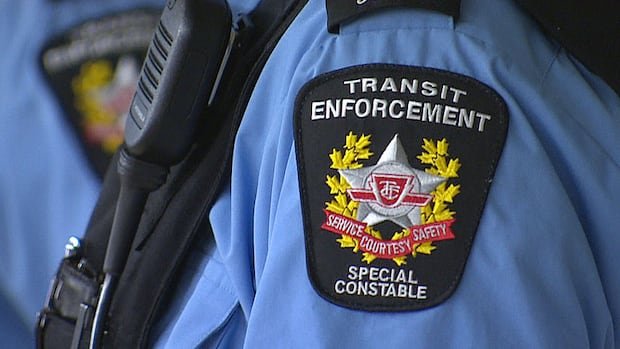
Under the proposed initiative, special constables on GO Transit, the Toronto Transit Commission (TTC), and OC Transpo in Ottawa would be empowered to intervene against illegal substance use on transit, issuing tickets or making arrests if necessary. These special constables, known as peace officers in Toronto, are appointed by the Toronto Police Services Board and are equipped with pepper spray and batons but not firearms.
The regulatory change, set to take effect in July, will be part of a series of legislative measures aimed at amending the Restricting Public Consumption of Illegal Substances Act passed in 2025. The amendment will also prohibit the possession of pill presses and precursor chemicals for illegal drug manufacturing, along with making it illegal for commercial property owners to knowingly permit drug production on their premises.
Premier Doug Ford expressed support for the crackdown on illegal drug use on public transit, highlighting the need to address safety concerns raised by Ontario commuters.
However, the Canadian Civil Liberties Association (CCLA) voiced apprehensions regarding the potential impact of increased policing on marginalized communities, emphasizing the importance of addressing public health issues through care, housing, support, and community engagement rather than law enforcement.
Critics, including Andrew Pulsifer from the transit advocacy group TTCRiders, raised concerns about the risk of racial profiling and the criminalization of poverty with the proposed measures. Pulsifer advocated for a more compassionate approach to crisis situations on transit and underscored the importance of supporting individuals in need.
The involvement of the provincial government in decisions pertaining to local public transit has also sparked criticism, with concerns raised about the potential infringement on the autonomy of transit agencies and the voices of riders.
Marvin Alfred, president of Toronto transit union ATU Local 113, condemned the legislation, arguing that it could limit the decision-making powers of local authorities and transit boards. Alfred suggested that increasing funding for social supports would be more effective in enhancing safety on public transit, emphasizing the importance of providing refuge for those in need outside of transit systems.