
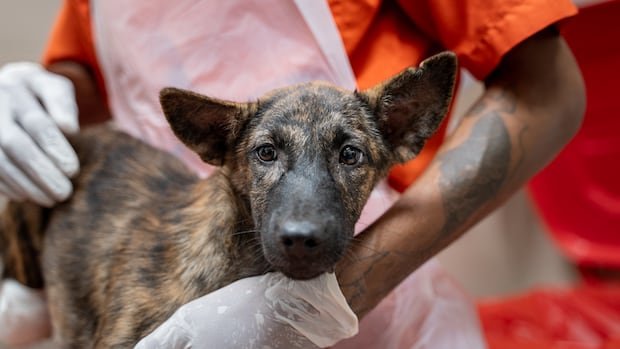

Animal welfare advocates are urging for the removal of a prohibition on bringing rescue dogs into Canada. This ban, initially intended to be temporary, remains in effect due to concerns about rabies, as stated by the federal government. Camille Labchuk, a lawyer and executive director of Animal Justice, a non-profit legal organization, expressed disappointment over Canada being the sole country with such a strict ban. According to Labchuk and similar organizations, the ban hinders healthy animals from international rescue efforts from finding homes in Canada.
In September 2022, the Canadian Food Inspection Agency (CFIA) implemented a ban on the commercial import of dogs from over 100 countries deemed high-risk for canine rabies. This ban encompasses dogs intended for adoption, fostering, sale, breeding, show, and research. The decision was influenced by an incident in 2021 involving two rescue dogs from Iran that were diagnosed with rabies after being imported to Canada. The ban disrupted the operations of numerous international animal rescues in Canada, including those rescuing dogs from regions like China, the Philippines, Ukraine, Afghanistan, and Haiti.
Labchuk emphasized that other Western countries, such as Europe and the U.S., have adopted stringent screening protocols to allow safe entry for dogs. These measures include verifying proper vaccination records, conducting rabies antibody tests, and implementing quarantines when necessary. However, Canada has not transitioned away from the ban towards similar evidence-based approaches, unlike the United States.
The CFIA defended the ban by highlighting the serious public health risks associated with rabies. Ottawa veterinarian Kelly Butler supported the ban, stating it is vital to safeguard both humans and pets from the deadly disease. While rabies in wildlife differs from canine rabies, the latter strain remains fatal, claiming the lives of 99% of infected humans and dogs once symptoms manifest. Despite the success of mass vaccination programs against dog rabies in Canada, the disease continues to pose a global threat, causing 59,000 fatalities annually.
The CFIA assured ongoing efforts to explore long-term solutions for dog imports while Animal Justice and other rescue groups persist in challenging the ban. Lara Pleasence, who rescued her senior dog Amira through Soi Dog Foundation prior to the ban, criticized the blanket prohibition for lacking exemptions for responsible rescue organizations, calling it heart-wrenching.