

The U.S. military announced on Wednesday that it had conducted strikes on Iranian targets in retaliation for an attack by Tehran on American forces in the Middle East. This latest round of strikes followed a joint operation with Saudi Arabia to target Iran-backed militias in Iraq, resulting in the deaths of at least 20 fighters and six Iranian advisors.
In response to Iran’s assault on a base in Jordan hosting U.S. troops, U.S. Central Command described the new strikes on Iran as a robust reaction to the previous day’s attempted Iranian assault. President Donald Trump had previously promised to respond following the Iranian attack.
Separately, drone strikes caused fires on two natural gas vessels at the Egyptian port of Damietta, as reported by British maritime security firm Ambrey. The responsible party for these strikes on a U.S.-owned floating storage facility and a Greek-owned tanker remained unclear, with no reported injuries.
The escalation on multiple fronts, after a period of relative calm, heightened the risk of a return to full-scale conflict, emphasizing the challenge of de-escalating a five-month-long war that has disrupted the global economy and faced opposition from the American public.
The ongoing fighting was expected to exacerbate concerns about the dwindling supply of advanced munitions for defending U.S. bases and allies. The conflict escalation in Egypt, a key U.S. ally and mediator in the region, could significantly broaden the scope of the conflict if confirmed.
President Trump, when asked about the strikes on the natural gas vessels, downplayed the situation as “a little more of the same,” asserting that the U.S. would respond forcefully while working towards resolution.
Saudi Arabia had accused Iraqi militias of launching drone attacks on its oil facilities, with conflicting responses from different groups involved in the conflict. Efforts by mediators to bring the U.S. and Iran back to the negotiation table had faced setbacks due to renewed hostilities in critical waterways like the Strait of Hormuz.
Regional officials conveyed ongoing mediation efforts to restore calm and renew the ceasefire, though progress details remained undisclosed. Despite continued attacks from both sides, regional countries aimed to de-escalate the situation, even as oil prices surged in response to the renewed conflict.
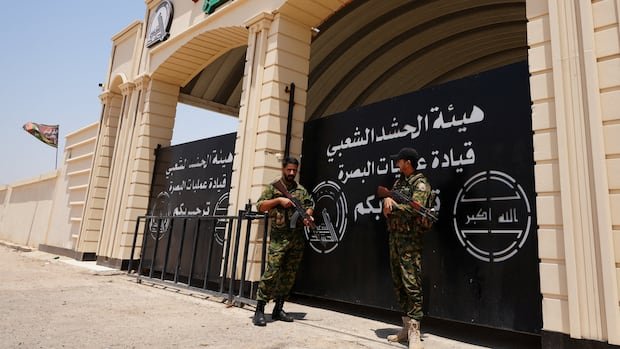
The Popular Mobilization Forces, a coalition of primarily Shiite, Iran-backed armed groups in Iraq, reported casualties from the strikes, highlighting the complex dynamics of the conflict involving various factions and external actors. The Iraqi government criticized the U.S.-Saudi attacks as a violation of its sovereignty, underscoring the challenges of managing the conflict.
In a separate conflict, Saudi Arabia faced renewed tensions with the Houthis, leading to a blockade that threatened vital trade routes. The escalating hostilities and attacks on critical infrastructure further complicated efforts to resolve the broader regional conflict.
Amid escalating tensions and military actions, the situation remained volatile, with potential for further escalation and regional repercussions that could impact global stability and energy markets.