

In the recent period of approximately two and a half weeks, Iran has faced a series of airstrikes from the United States and Israel. Russian President Vladimir Putin has been positioning Russia as a potential mediator in the conflict, leveraging its close ties with Iran to facilitate peace efforts in the tumultuous region.
Putin has engaged in discussions with the leaders of Iran, the U.S., and the United Arab Emirates this week. In the previous week, he also communicated with officials from Qatar, Saudi Arabia, and Bahrain. The Kremlin aims to enhance its influence in the Middle East and has reiterated its steadfast support for Iran, a key strategic partner.
However, experts highlight certain constraints on Russia’s actions. The Kremlin is cautious not to provoke tensions with the U.S., and its military capabilities are already strained due to the ongoing conflict in Ukraine. Additionally, there are potential economic advantages for Russia amid the current crisis, with disruptions in energy supply leading to a surge in global oil prices that benefit Russia’s oil exports.
Putin made provocative statements on Monday as oil prices surged above $100 per barrel, indicating Russia’s willingness to continue supplying crude oil to European nations if they commit to long-term agreements. He also hinted at the possibility of cutting off energy supplies to the EU ahead of potential import bans.
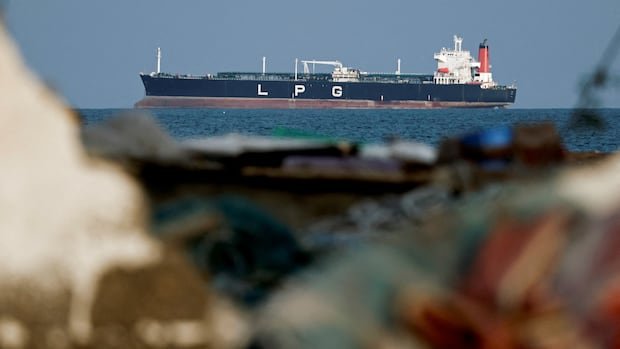
The escalating situation, which originated from strikes against Iran, has escalated to involve the entire region, with Iran launching attacks on neighboring countries, including a NATO member, Turkey. The disruption in the Strait of Hormuz, a critical route for global oil and gas transit, has further exacerbated tensions.
In response to market concerns, U.S. President Donald Trump suggested temporarily lifting sanctions on “some countries” on Monday. European leaders have advocated for maintaining sanctions on Russia, and doubts persist regarding the extent of Washington’s sanctions relief measures.
Russia is facing mounting fiscal challenges, driven by heightened military expenditures, economic slowdown, and fluctuating energy prices. Despite potential short-term financial gains from the crisis, ongoing hostilities in Iran jeopardize Russia’s substantial investments in the country’s gas projects.
There have been reports suggesting Russian military assistance to Iran, including advisory support on drone tactics and intelligence sharing. While speculations about direct Russian military intervention in Iran have emerged, experts believe Russia is more likely to provide diplomatic backing to Iran in international forums like the UN Security Council.