

After facing obstacles in discussing fossil fuels at UN climate negotiations, over 50 nations are convening in Colombia for a groundbreaking meeting solely dedicated to phasing out oil, gas, and coal. The Transitioning Away from Fossil Fuels conference kicks off today in Santa Marta, aiming to address the issue outside the standard UN framework where significant producers have historically hindered efforts to limit fossil fuel consumption.
Although the summit will not result in a formal agreement or binding obligations, advocates anticipate that a smaller coalition of willing nations can advance practical strategies for transitioning away from the fuels contributing to the climate emergency. Nikki Reisch, the director of the climate and energy program at the U.S.-based Center for International Environmental Law, emphasized the importance of shifting the focus from fossil fuels being a peripheral topic to the primary agenda.
However, a noteworthy challenge at this summit is Canada’s participation, being the largest oil and gas producer present but sending negotiators instead of ministers. The emphasis is on taking tangible actions rather than engaging in debates over semantics regarding the phase-out of fossil fuels. By creating a forum of like-minded nations, attendees at the Santa Marta conference aspire to delve into the specifics of moving away from fossil fuels without getting entangled in debates about the necessity of such a transition.
Fossil fuels, including oil, gas, and coal, are responsible for about two-thirds of the greenhouse gas emissions causing global warming. While these fuels are crucial for driving economies worldwide, there has been a noticeable absence of direct discussions on fossil fuels at UN climate conferences. The main UN climate conference, COP, has been criticized for being influenced by fossil fuel interest groups and countries that impede resolutions on phasing out or reducing fossil fuel usage.
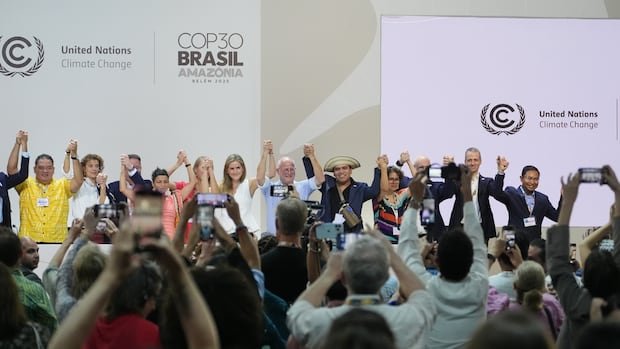
The recent COP meeting hosted by Brazil failed to reach an agreement on a roadmap for the phase-out of fossil fuels, prompting Colombia and the Netherlands to organize the separate Santa Marta conference. This gathering diverges from the typical consensus-based negotiations, allowing for a more focused discussion on decarbonization strategies without the constraint of unanimous agreement on the final outcomes.
Canada’s role at the summit is pivotal as the largest oil and gas producer in attendance. Despite not sending ministers, Canada acknowledges the importance of participating in conversations about reducing reliance on fossil fuels for sustainable economic development. The federal government reaffirms its commitment to achieving net-zero emissions by 2050, although the oil and gas sector remains a major emitter, especially with the growth of production in the oilsands.
The Santa Marta conference is not anticipated to yield a formal treaty or conclusive document, as it operates outside the UN system and lacks the participation of major polluters like China and the U.S. Nonetheless, organizers hope that it will catalyze future discussions and negotiations that can steer the global community towards effective decarbonization pathways. The conference, scheduled until April 29, is envisioned to lay the groundwork for upcoming meetings and potentially influence discussions at the next UN climate conference.
A follow-up conference, hosted by the Pacific Island nation of Tuvalu, is already in the works, underscoring the urgent need for collective action to address the escalating climate crisis.