
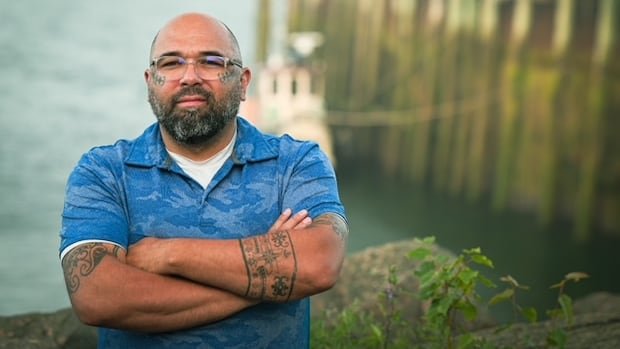

The Peskotomuhkati people living along the Canada-U.S. border are expressing concerns over a proposed underwater AI data center in Maine, which they believe could pose a threat to a vital waterway essential to their sustenance and heritage. Aaron Dana, a tribal representative in the Maine Legislature, emphasized the potential environmental repercussions of establishing the data center in Eastport, Maine, particularly on the surrounding waters that have historically supported their community.
The primary worry for Peskotomuhkati leaders revolves around the water resources that have been integral to their way of life for generations, with many individuals depending on these resources for sustenance worldwide. The proposed data center aims to harness tidal turbines to produce electricity for underwater AI computations and cooling systems. The envisioned plan by Deepgreen Western Passage includes installing up to 50 tidal turbines generating 15 megawatts of power and up to 34 underwater AI server pods, covering approximately 11 hectares within a 161.8-hectare water study area in the western passage of Passamaquoddy Bay, located two kilometers from New Brunswick’s Deer Island and 17 kilometers from the coastal town of Saint Andrews.
Dana highlighted the complexity of the project due to the international boundary, as New Brunswick and Eastport are in close proximity separated only by the bay waters, indicating that potential impacts could transcend borders. The concerns raised by Peskotomuhkati leaders align with those of Eastport residents and officials, with the city council voting against the data center proposal in August. At a public hearing, over 100 residents voiced their apprehensions and explored ways to oppose the project, while the city is grappling with determining its jurisdiction over the offshore infrastructure, which may fall under U.S. federal authority.
In response to the community’s anxieties, project developer Louis Wolfson stated that the project is at an initial stage, focusing on environmental and engineering studies. Wolfson emphasized the company’s commitment to engaging with communities, respecting tribal boundaries, and sharing environmental data. Despite these assurances, Peskotomuhkati leaders, including Dana, remain opposed to the project, underscoring the importance of genuine consultation and respect for tribal sovereignty.