
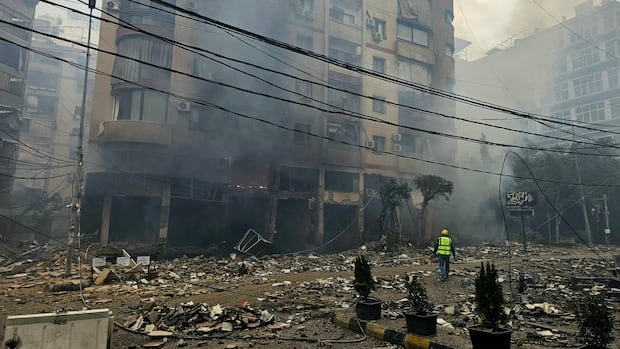

Arab Gulf nations faced fresh missile and drone assaults on Sunday following Iran’s threat to escalate its operations during the ongoing third week of the Middle East conflict. On February 28, Israel and the United States launched strikes against Iran, targeting nuclear and military installations and urging the Iranian populace to revolt against their leadership. The initial day of the conflict saw the demise of Iran’s supreme leader, Ayatollah Ali Khamenei.
In response, Iran conducted retaliatory strikes on Israel and neighboring Gulf countries hosting U.S. military installations. The prolonged conflict has disrupted global air travel, impacted oil exports from the region, and led to a surge in fuel prices worldwide.
Bahrain, Saudi Arabia, and the United Arab Emirates issued warnings to residents about intercepting incoming projectiles. Iran also instructed the evacuation of three major U.A.E. ports, marking the first threat against non-U.S. assets in a neighboring state.
The Iranian strikes have resulted in the deaths of over a dozen civilians in Gulf nations, predominantly migrant workers. In Iran, the International Committee of the Red Cross reported over 1,300 casualties, including 223 women and 202 children, based on figures from the Iranian Health Ministry as relayed by Mizan, the official news agency of the judiciary.
In Israel, 12 individuals were reported killed by Iranian missile attacks, as confirmed by the national rescue service Magen David Adom. The U.S. military also suffered losses, with at least 13 members killed since the conflict’s inception, including casualties in combat and a recent plane crash over Iraq.
U.S. President Donald Trump called for allied warships to secure the crucial Strait of Hormuz, a vital waterway for global oil transportation. Meanwhile, Lebanon experienced deepening humanitarian crises, with over 820 fatalities and 850,000 displaced individuals as Israel intensified military actions in southern Lebanon.
Iran’s Foreign Affairs Minister Abbas Araghchi accused the U.S. of launching attacks on Kharg Island and Abu Musa Island from positions in the U.A.E., including Ras Al Khaimah and a location near Dubai. However, U.S. Central Command did not respond to Iran’s allegations. The U.A.E.’s diplomatic adviser dismissed claims of U.S. bases being used for attacks on Kharg Island.
Amid escalating tensions, Iran reiterated its commitment to targeting U.S.-linked assets in the region if its own infrastructure came under fire. The U.S. identified six service members who perished in a military aircraft crash while supporting operations against Iran.
Moreover, a missile struck a helipad within the U.S. Embassy compound in Baghdad, prompting concerns about heightened security risks in Iraq. The U.S. State Department advised American citizens to depart immediately due to potential threats posed by Iran-aligned groups in the region.
As global concerns mount over oil supply disruptions and price spikes, international efforts are underway to ensure the safety and stability of critical maritime routes like the Strait of Hormuz.