

Several countries rejected President Donald Trump’s request to provide naval escort for tankers in the Strait of Hormuz, leading to criticism from the U.S. leader for what he perceived as ingratitude from longtime allies. The ongoing U.S.-Israeli conflict with Iran has resulted in the closure of the strategic waterway, impacting global energy prices and causing concerns about inflation.
Despite the economic toll on U.S. allies, including Germany, Spain, and Italy, who were not consulted before the airstrikes on Iran, these nations have indicated no immediate plans to send ships to assist in reopening the Strait of Hormuz. German Chancellor Friedrich Merz stated that they lacked the necessary mandates from international bodies and had not been consulted by Washington and Israel before the military actions.
President Trump expressed frustration at the varying levels of enthusiasm among countries willing to assist, highlighting the importance of support from long-standing allies. The U.S. military reported around 200 troop injuries since the conflict began, with the majority being minor and most personnel already back on duty.
Meanwhile, Israel disclosed plans for an extended military campaign against Iran, targeting various sites related to Iran’s space program and security infrastructure. The conflict escalated further as Iranian drone attacks disrupted operations in neighboring countries and Israel continued its offensive measures. The international community raised concerns about the humanitarian impact of a significant Israeli ground offensive and urged for efforts to prevent prolonged conflict.
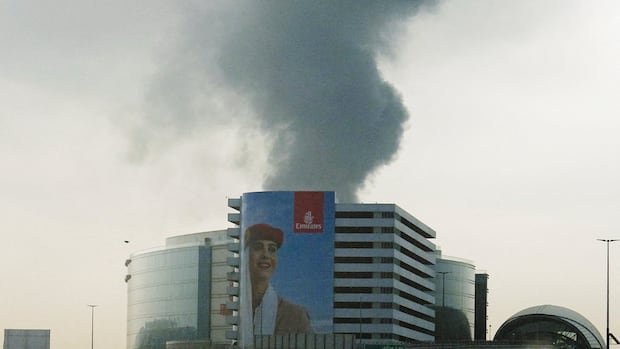
As the situation in the region remains tense, with ongoing military actions and retaliatory measures, the impact on civilian populations and critical infrastructure is escalating. Despite efforts to resume oil loading operations at key ports, including in the UAE, the security challenges and disruptions persist, affecting global energy markets.
Amidst the conflict and disruptions, global oil prices experienced fluctuations, while financial markets reacted to developments in the region. Despite the volatility, there have been indications of limited easing in the flow of Iranian fuel vessels through the strait, offering some respite in the midst of the crisis.