
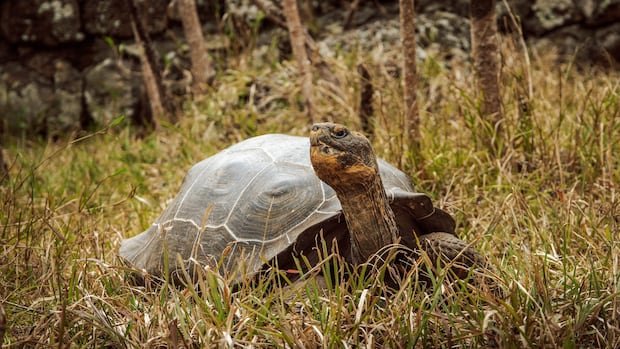

After more than 180 years, giant tortoises have made a remarkable return to Floreana Island in the Galápagos archipelago of Ecuador. The comeback was made possible by a captive breeding program that commenced in 2017, leading to the release of 158 juvenile hybrids onto the island. This initiative aims to revive the once-extinct Floreana tortoise population, decimated in the mid-19th century due to historical factors like whaling, fires, and human exploitation.
The reintroduction of these young tortoises, expected to reach weights of up to 600 pounds over the next couple of decades, is a significant step towards restoring the island’s ecosystem. These juveniles, aged between eight and 13 years and weighing between 30 to 50 pounds, carry a substantial genetic resemblance to the extinct Floreana species, making their presence crucial for genetic diversity and species revival efforts.
Biologist Washington Tapia emphasized the importance of not just boosting numbers but also rebuilding a lost genetic lineage with this reintroduction. The hope is that these newcomers, with lifespans exceeding a century, will contribute to the island’s ecological balance over time.
The release of the tortoises was a laborious yet heartfelt effort, as conservationists, including biologist James Gibbs and park rangers, carried the juveniles on their backs up the volcanic island slopes to their release sites. Divided into two groups, the tortoises were set free in different areas of the island, amidst a diverse population of native species and the challenges posed by non-native animals and plants introduced by humans.
To monitor the tortoises’ movements and ensure their successful adaptation, each juvenile was equipped with a GPS tracker. This technology enables researchers to track the tortoises in real-time, ensuring their well-being and integration into their natural habitat. As the tortoises settle into their new surroundings, the conservation team remains vigilant, ready to intervene if necessary to safeguard the future of these iconic creatures.