
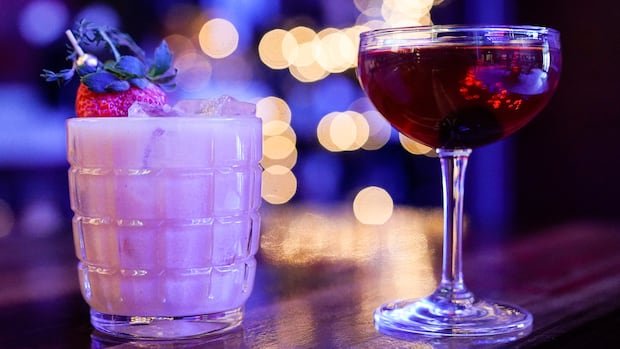

Gen Z, often known as the “sober generation,” is reshaping perceptions by increasing their social outings and enjoyment of alcoholic drinks. Andrea Shipka, 27, attests to this trend, noting a rise in drinking among her peers. Shipka, who hails from Edmonton but is currently in Paris, mentions an increase in her own social activities compared to previous years.
Recent consumer research by the alcohol data and analytics group IWSR reveals that young adults have steadily elevated their alcohol consumption, with a rate of 74%, nearly aligning with the overall adult population’s 76%. This marks a significant increase from three years ago when Gen Z’s drinking rate stood at 66%.
The study, based on surveys of 32,000 respondents across 19 markets, including Canada, the U.S., and the U.K., indicates that Gen Z is catching up to older generations in their alcohol habits. Notably, this generation exhibits distinctive drinking behaviors, such as a higher adherence to public health advice on alcohol and a preference for cocktails.
Experts speculate on reasons behind this surge in Gen Z drinking. Many individuals from this cohort came of age during the COVID-19 pandemic, experiencing lockdowns that may have delayed their entry into drinking culture. Additionally, economic factors may contribute, as some Gen Z adults now have more disposable income to spend on social activities.
According to Statistics Canada, heavy drinking among 18- to 34-year-old regular drinkers has returned to pre-pandemic levels, while overall alcohol consumption in Canada has decreased. This shift may reflect an increased awareness of the health risks associated with alcohol consumption.
Despite the rise in alcohol consumption among Gen Z, their approach to drinking differs from past generations. Unlike millennials who often drink as a primary social activity, Gen Zs view alcohol as an optional element in social gatherings. Alcohol is not the main focus but rather an accompaniment to social interactions.
Overall, while Gen Z is embracing alcohol more than previously perceived, their drinking habits demonstrate a shift towards a more moderated and socially integrated approach, where alcohol serves as a complement rather than the central focus of social engagements.