
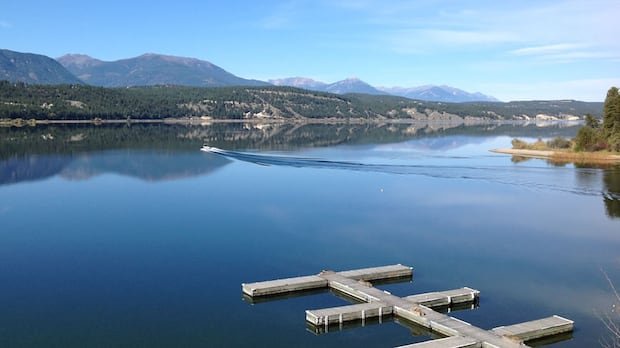

The ÊAkisqÌnuk First Nation is initiating a series of scientific and economic investigations on Lake Windermere and Columbia Lake as part of a comprehensive water conservation strategy, sparking discussions about recreational boating in the region. ÊAkisqÌnuk Chief (NasuÊkin) Donald Sam emphasized the significance of stewardship to the Ktunaxa people, underscoring the necessity of having reliable data for decision-making.
Allocating $200,000 for the project, the First Nation plans to map the East Kootenay lakes, evaluate shoreline conditions, sediment movements, and gauge the economic impact of recreational activities. However, these stewardship deliberations have raised concerns among some locals who worry that potential restrictions could adversely affect the area’s economy.
Chief Sam addressed these apprehensions, clarifying that their aim is not to impede economic progress but to identify sustainable recreational practices that align with the long-term well-being of the lakes. The ongoing studies coincide with heightened scrutiny of wake-surfing boats, which have been criticized for disturbing sediment, causing shoreline damage, and contributing to environmental deterioration in smaller bodies of water like Lake Windermere and Columbia Lake, which are particularly vulnerable to wake turbulence and erosion.
Community groups such as Lake Windermere Ambassadors are already advocating for responsible boating behaviors, urging motorized boaters to adhere to speed limits and comply with regulations. Chief Sam suggested that traditional boating, fishing, and other recreational pursuits might be more environmentally viable on these relatively narrow lakes.
Invermere Mayor Al Miller expressed support for a science-based approach to address the issue, emphasizing the municipality’s commitment to making informed decisions. He stressed the importance of considering both economic impacts and environmental concerns in the decision-making process, highlighting the need to assess all available data to arrive at the most appropriate solutions.
Chief Sam noted that the stewardship planning is at an early stage, assuring that no immediate restrictions are being proposed for this summer. He emphasized the importance of community and public engagement throughout the process, indicating that the ultimate goal is to develop a sustainable lake stewardship strategy that harmonizes environmental protection with economic prosperity.
Looking ahead, Chief Sam expressed optimism that the research outcomes will pave the way for a robust and enduring lake stewardship plan that strikes a balance between economic interests and environmental conservation, emphasizing the importance of understanding the economic dynamics and values to secure a prosperous future.