
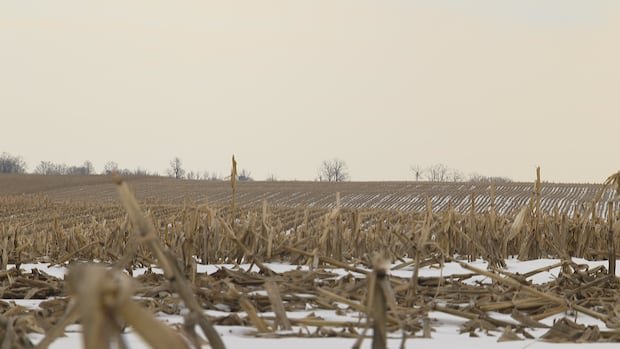

Environmental activists are raising objections to a proposed development in northeast Pickering ahead of a city council vote on the project’s preliminary plan set for March 30. Deputy Mayor David Pickles emphasized the importance of finalizing a development plan to address pending environmental assessments and a fiscal impact study, noting potential adjustments based on the assessment outcomes.
The designated development area spans from Eighth Concession Road to the north, Highway 7 to the south, Westney Road to the west, and Lake Ridge Road to the east. Concurrently, the city is conducting a survey to evaluate the region’s natural attributes and formulate strategies to offset the development’s impacts.
However, some advocates advocate for completing these assessments before approving the plan, while others advocate for scrapping the development entirely due to concerns regarding flood hazards, water quality, and the presence of an endangered fish species in the vicinity.
One of the key concerns raised by advocates pertains to the transparency of flood risk mitigation plans in the event of development in northeast Pickering, which sits within the Carruthers Creek watershed. A recent study conducted by the Toronto and Region Conservation Authority (TRCA) in collaboration with Ajax and Pickering highlighted potential consequences of urbanization on the watershed, projecting a substantial increase in peak flows during regional storm events.
Advocates, including Andrew McCammon from the Ontario Headwaters Institute, stress the importance of understanding the conversion of natural surfaces to impermeable surfaces to gauge the plan’s impact on flood risk and water quality. The City of Pickering mentioned ongoing planning processes that will determine impervious surface area changes and receive guidance from the TRCA on watershed conditions.
Additionally, preliminary strategies have been proposed to manage stormwater and groundwater in the region, aiming to mitigate adverse effects and protect natural resources. The report emphasizes the importance of responsible and sustainable development contingent upon effective implementation of stormwater management and environmental protection measures.
Concerns also extend to the potential impact of development on the Redside Dace, an endangered fish species inhabiting the proposed development area. Environmental advocates fear for the species’ survival, particularly in light of the proposed Highway 413’s potential impact on the second cluster of Redside Dace habitat. Planning efforts include studying potential responses of the Redside Dace habitat to future land use changes and exploring mitigation measures such as stormwater management and runoff control.