

Soccer enthusiasts expressed dissatisfaction during the U.S. national anthem over the weekend, reacting to the breakdown of trade discussions between Canada and the United States. The Canadian Press noted disapproving reactions reverberating through Vancouver’s B.C. Place ahead of a Major League Soccer match between the Whitecaps and FC Dallas on Saturday, following similar reactions at Stade Saputo where CF Montréal faced the L.A. Galaxy earlier the same day.
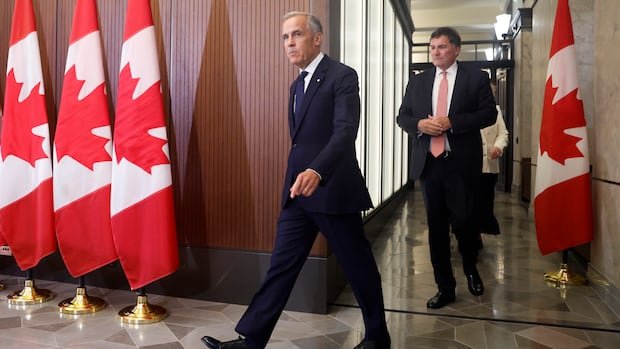
This came after Prime Minister Mark Carney halted talks with the U.S. and called back negotiators, citing unreasonable demands made by the U.S. at the last minute, despite prior agreement on a tentative framework. In response, the U.S. enforced 50 percent tariffs on various Canadian goods, prompting Canada to pledge to match these tariffs by September 8. This move received significant support from premiers nationwide.
Numerous Canadians interviewed by CBC News over the weekend seemed to mirror the sentiments expressed within the stadiums. Niiamaa Laryea in Vancouver described the tariff news as “horrible” but emphasized the importance of Canada standing up to the U.S., stating, “We can’t let the U.S. bully us into submission.” Lesley Combden in Ottawa anticipated worsening economic repercussions and advocated for diversifying Canada’s trade beyond the U.S.
The broad tariffs are set to impact approximately $28 billion worth of Canadian exports, with Ontario, B.C., and Quebec expected to bear the brunt, particularly affecting industries like agriculture, textiles, electronics, furniture, and plastics manufacturing. Economist Trevor Tombe estimated that around 87,000 jobs could be at risk across the country due to the imposed tariffs.
Some individuals who called in to CBC’s Cross Country Checkup on Sunday expressed criticism of Carney’s handling of the situation. While few disagreed with ending negotiations, some questioned the wisdom of retaliatory tariffs. Peter Arndt in Pickering, Ont., acknowledged the necessity of halting negotiations but voiced concerns over the adverse effects of retaliatory tariffs on Canadians.
Economists cautioned that retaliatory measures would further burden Canadians financially. Notable concerns were raised about the lack of transparency regarding the rejected deal, with calls for more information on the negotiation details. Quebec Premier Christine Fréchette highlighted contentious points in the negotiations, emphasizing the Americans’ proposals regarding Quebec’s French-language legislation.
A poll by the Angus Reid Institute revealed that 76 percent of Canadians supported the government’s decision to walk away from negotiations. The majority consensus reflected a long-standing resolve among Canadians to take a firm stance against the U.S. on trade matters. Canadians remain apprehensive about the repercussions of the new tariffs, with concerns regarding rising costs and potential job losses.
The polling data, sampling 1,468 Canadians, indicated widespread unease about the economic impacts of the tariffs. Many Canadians expressed feeling “betrayed” by the U.S. and displayed willingness to endure short-term economic challenges for better trade outcomes in the future.