
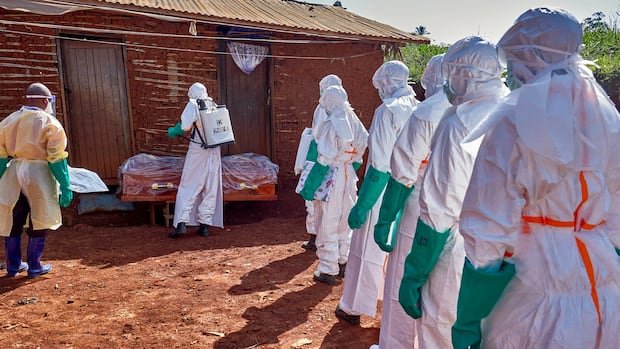

Canadian authorities are implementing stricter measures on travel and immigration from various central African nations due to the rapid spread of Ebola in the region. The upcoming FIFA World Cup is cited as a significant factor behind the decision to tighten borders.
During a briefing on Tuesday, federal officials announced the suspension of immigration documents, including visas and permits, from the Democratic Republic of Congo (DRC), Uganda, and South Sudan starting Wednesday at 11:59 p.m. This suspension will last for at least 90 days, described as a “pause” rather than a complete ban on immigration processing.
Applications for individuals already in Canada will still be processed, and those currently traveling will not be affected by the suspension. This action marks the first use of new powers granted under Bill C-12, enabling Ottawa to temporarily halt or cancel visas.
The Canadian government emphasized the severity of the Ebola outbreak in the affected countries as the primary reason for these measures. Health Minister Lena Metlege Diab stressed the elevated risk of transmission as a driving factor behind the decision.
In addition to the immigration measures, enhanced border protocols are being enforced under the Quarantine Act as of May 30. Individuals entering Canada who have been in the impacted countries within the past 21 days must undergo health assessments.
While blanket travel bans are discouraged under the International Health Regulations, Health Minister Marjorie Michel defended Canada’s actions, stating that public safety concerns outweigh other considerations. With the FIFA World Cup approaching and the potential for increased travel, alignment with the U.S. and Mexico was deemed necessary.
Authorities outlined procedures for travelers displaying Ebola symptoms, including immediate hospital transfer for those affected. Individuals required to self-isolate will be provided with designated spaces by the government. Screening measures at borders will remain in effect until August 29 as a precautionary measure.
Despite concerns raised by some experts regarding the impact on individuals in the immigration process, Canadian officials assert that these steps are essential to safeguard public health. The ongoing Ebola outbreak in central Africa has surpassed 1,000 suspected cases, with warnings that the situation may deteriorate before improving.
Dr. Tedros Adhanom Ghebreyesus, Director-General of the World Health Organization, highlighted the challenges in containing the outbreak, emphasizing the urgent need for coordinated international efforts. The absence of an approved treatment or vaccine for the specific Ebola strain complicates containment efforts in a region already facing multiple obstacles.
Canada’s decision to impose restrictions on travelers and immigration from affected countries aligns with similar actions taken by the U.S. to mitigate the risk of Ebola transmission. Health experts stress the importance of collaborative efforts to address the outbreak promptly and prevent its spread to other regions.
Following the briefing, infectious disease specialist Dr. Isaac Bogoch commended the government’s measures as reasonable steps to reduce the influx of travelers from high-risk areas. Additionally, Canada plans to deploy an epidemiologist with prior Ebola experience to support response efforts in the Democratic Republic of Congo.