
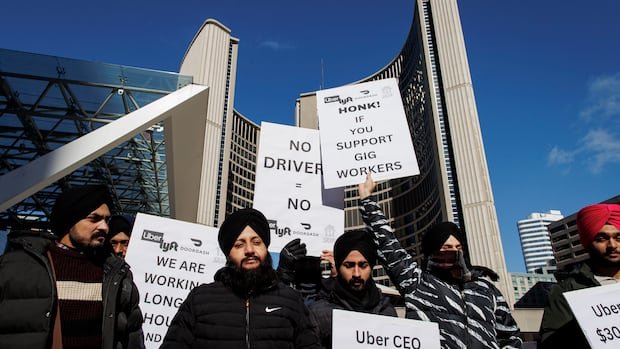

Amninder Singh, an Uber driver in Victoria for two years, has encountered challenges such as racism and false complaints from riders. Feeling unsupported, Singh expressed relief after joining over 1,000 drivers in Victoria who recently ratified a collective agreement with Uber through the United Food and Commercial Workers (UFCW) Local 1518.
Under the new agreement, Victoria’s Uber drivers will receive signing and quarterly bonuses based on completed rides, a five percent annual fee increase, $500 for health benefits, and a formal dispute resolution process. This four-year contract, however, excludes Uber Eats delivery workers but has brought a sense of security for drivers like Singh.
The struggle for Uber unionization in Canada has been ongoing due to drivers reporting low pay, long working hours, harassment, and account deactivation issues. The recent union agreement in Victoria, described as “ground-breaking” by labor lawyer Michael Wright, sets a significant precedent for the sector.
Uber has expressed satisfaction with the agreement, highlighting the importance of balancing driver flexibility with benefits and representation. The agreement also signifies the clear right for Uber drivers to unionize, according to Patrick Johnson, president of UFCW Local 1518.
While the collective agreement in Victoria aligns with similar deals in the UK and Australia, the road to unionization for rideshare workers in Canada remains uncertain. Legislative changes in British Columbia paved the way for Victoria drivers to unionize, emphasizing the need for similar initiatives nationwide.
The process of organizing rideshare workers is complex, especially in larger cities like Toronto, where the sheer number of drivers poses challenges. Despite differing opinions on the Victoria union contract’s effectiveness, the agreement marks a significant step forward for rideshare workers advocating for better labor protections.