
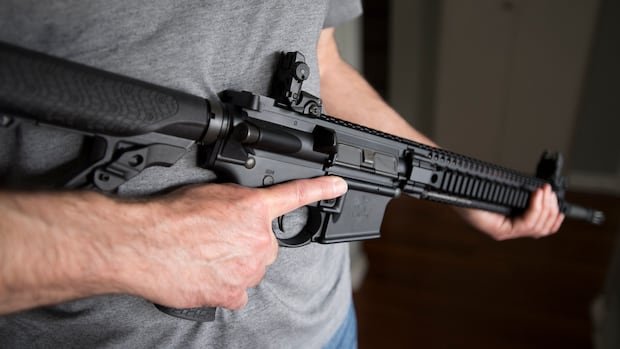

The Canadian government has announced the next phase of its national gun buyback initiative, providing citizens with approximately two months to express their intention to participate and receive compensation for surrendering prohibited firearms. Since 2020, Ottawa has prohibited around 2,500 brands and models of what it terms “assault-style” firearms, contending that these weapons are intended for combat rather than recreational use.
During a press conference, Public Safety Minister Gary Anandasangaree emphasized the voluntary nature of the compensation program but stressed the imperative of complying with the law. The declaration period commences on Monday and extends until March 31, allowing Canadians to submit declarations online or via traditional means.
Compensation payouts will be processed within 45 business days following the successful validation of the banned firearm. The allocated funding amounts to $248.6 million, enabling the government to acquire approximately 136,000 outlawed firearms from individual owners. Failure to declare participation by the deadline will preclude firearm owners from receiving compensation through the program.
Compensation distribution will be on a first-come, first-served basis, determined by the submission date of the declaration and fund availability at that time. The amnesty period for possessing banned firearms will conclude on October 30, 2026, following which possession will be illegal, potentially leading to criminal prosecution.
The government announced that the buyback program will not operate in Alberta and Saskatchewan due to legislative challenges, but residents in those provinces can still declare their firearms. Criticism of the program from various quarters prompted calls for a broader compensation approach. The federal official underscored that the prohibitions are final, asserting that removing assault-style firearms enhances public safety.
Advocacy groups hailed the program’s launch as a positive step for public safety, highlighting the dangers posed by outlawed firearms. The government’s six-week pilot project in Cape Breton revealed lower participation rates than anticipated, with only 25 firearms collected and destroyed, drawing mixed reactions from stakeholders.