
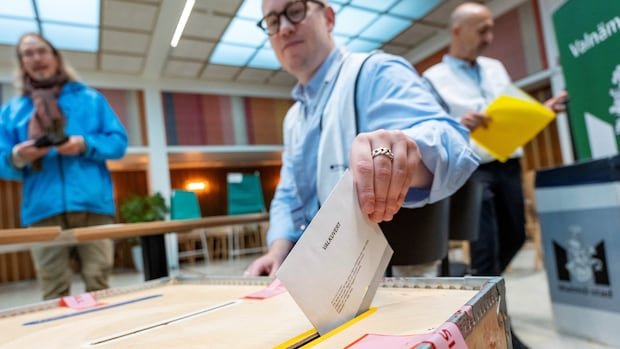

Sweden’s recent national election results revealed a tie, with the opposition centre-left bloc holding a slight lead, potentially reversing the country’s shift away from its liberal traditions. The bloc, led by Magdalena Andersson of the Social Democrats, is projected to secure 175 seats in the 349-seat parliament, the Riksdag, based on partial results from 4,853 of Sweden’s 6,312 election districts. On the other hand, Prime Minister Ulf Kristersson’s right-wing governing bloc is expected to win 174 seats, with the final count still in progress.
While the election outcome may not alter Sweden’s pro-Western and pro-Ukraine stance significantly, it will determine whether Kristersson’s pursuit of stricter migration policies continues. The winner may not be determined for several days, pending the tally of overseas ballots.
Ahead of the election, Kristersson made a controversial pledge to involve the Sweden Democrats, a far-right party with a history rooted in the fringe of Nazism, in the government formation process to establish a majority-right coalition. Supporters of this move argue that it would endorse policies that have reduced gang violence and immigration levels. However, critics, including some within Kristersson’s Moderate Party, view this alliance with skepticism.
Kristersson, who has been trailing in opinion polls during his tenure, made strides in the final campaign weeks, narrowing the gap with Andersson’s Social Democrats. Critics of Kristersson’s administration argue that its immigration policies, which focus on integrating migrants into Swedish societal norms or encouraging them to leave, are eroding civil liberties.
A potential victory for the Sweden Democrats would resonate with the far-right parties across Europe, especially after the recent success of Germany’s anti-immigrant Alternative for Germany party. The far right anticipates gains in upcoming European elections, with the National Rally eyeing the French presidency in the next year as a significant target.
Sweden Democrats’ leader Jimmie Akesson, while casting his vote, remarked on the demographic changes in areas like Rinkeby, expressing concerns about the transformation of the Swedish landscape. Since Kristersson’s administration took power, Sweden has shifted its immigration policies, including abolishing permanent residency for refugees, tightening welfare regulations, and increasing deportations of undocumented individuals.
Although the Sweden Democrats acknowledge their party’s controversial origins linked to neo-Nazism in the 1980s, they claim to have expelled extremists and apologized for past affiliations. The party’s supporters celebrated as updated projections showed a narrower margin between the opposition and the government blocs, emphasizing the tight contest and the uncertain outcome.