

Iraq is working swiftly to manage the aftermath of alleged attacks on a crucial Saudi pipeline by local Iran-backed militias. While a coalition of Iran-supported militias in Iraq has denied involvement, the Iraqi government has acknowledged that the attacks originated from its soil. In response, the government has vowed to investigate the incident and has removed a military commander from his post.
Iraq faces increasing pressure to prevent its local militias from supporting other Iran-affiliated groups in the region. The government has set a deadline of September 30 for non-state groups to disarm, but some of the most influential militias have refused to comply with the directive.
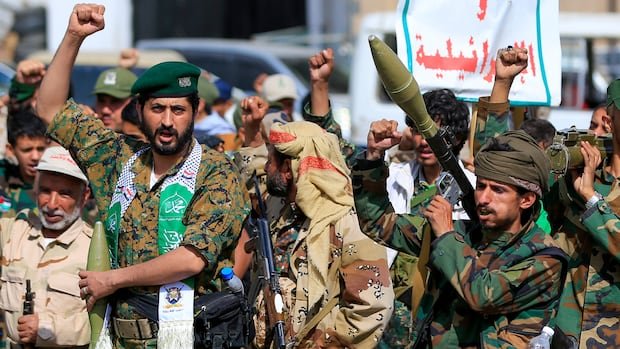
The urgency to disarm these militias has heightened as Iran-backed Houthi rebels advance along Yemen’s west coast, posing a significant challenge to the Saudi-led coalition and potentially escalating the regional conflict. The recent seizing of an island in the Bab al-Mandab Strait by the Houthis, a critical shipping route where around 12% of global trade passes through, has further exacerbated tensions.
The control of the strait by the Houthis could lead to a surge in global oil prices, which are already elevated due to the ongoing Iran-U.S. conflict. The strait has become vital for Saudi oil shipments following disruptions in the Strait of Hormuz due to the Iran-U.S. tension.
U.S. President Donald Trump, speaking in Dublin on Saturday, suggested that Iran was likely responsible for the pipeline attack but attempted to downplay concerns. Trump mentioned discussions with the Houthis, emphasizing their preference to avoid conflict with the U.S. and allow most ships to pass through.
Iraq’s government is set to investigate the assault on the Saudi pipeline, with Iran-backed militias in Iraq denying any involvement and praising the Houthis for their actions against Saudi forces. Iraqi Prime Minister Ali al-Zaidi has initiated an investigation into the operations in Maysan province and relieved the province’s commander of his duties.
Saudi Arabia took precautionary measures by shutting down the major oil pipeline after a drone attack, attributing the incident to drones originating from Iraq. While the kingdom refrained from retaliation, several Arab nations, including Kuwait, the United Arab Emirates, Oman, and Egypt, condemned the attack.
The East-West pipeline, established in the 1980s, has been crucial for Saudi Arabia’s oil export capabilities following disruptions in the Strait of Hormuz. Tehran-backed Iraqi militias have been targeting U.S.-affiliated sites both within and outside Iraq since an attack on Iran on February 28, collaborating with Yemen’s Houthi rebels in assaults against Saudi Arabia.
In response to the investigation, Iraq has closed two key border crossings with Iran to probe previous violations. The closures, including Shalamcheh and Chazabeh, are significant official border points between the two countries. This action has halted all passenger and commercial traffic through these crossings.
The escalating conflict threatens to reignite Yemen’s civil war, jeopardizing the fragile peace that had largely halted the conflict since 2022. The conflict has already claimed 150,000 lives and pushed many others to the brink of famine, affecting millions in Yemen, the poorest country in the Arab world. The recent surge in fighting has forced over 46,000 people to flee, according to the United Nations migration agency.
The Houthi rebels have been in conflict with Yemen’s government since 2014, leading to a prolonged crisis that drew Saudi Arabia into the war in support of the Yemeni government.