
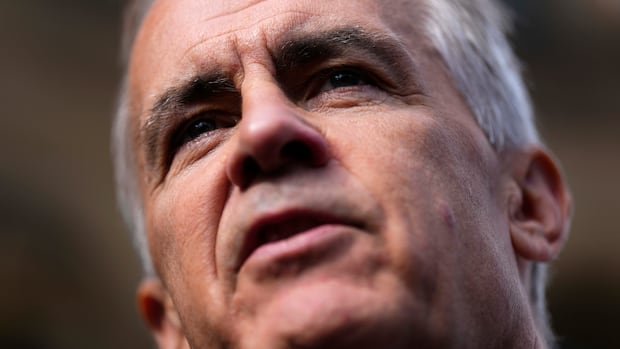

Prime Minister Mark Carney has cautioned Canadians about the repercussions of shifting focus away from the United States, emphasizing that while there will be costs involved, the alternative would be much more detrimental. In a recent national video address following the implementation of Canada’s retaliatory tariffs against the U.S., Carney reaffirmed the country’s strategy to diversify trade partnerships to reduce dependence on the U.S.
Carney stressed that despite the inevitable costs associated with this pivot, the benefits far outweigh the consequences of maintaining the status quo. This video update is part of a series initiated by Carney to keep Canadians informed about governmental policies and responses to U.S. trade measures.
The Prime Minister underlined the goal of emerging stronger and more self-reliant, ensuring that Canada is not vulnerable to external pressures and can uphold its desired way of life. Trade negotiations with the U.S. were terminated last month after failing to reach an agreement before the deadline set by President Donald Trump for imposing new tariffs on Canadian goods.
Carney reiterated previous claims that the U.S. sought to impose restrictions on Canada’s trading capabilities with other nations and hinder efforts to safeguard French language and culture. Amid calls for transparency from the Federal Conservatives regarding the abandoned deal, Carney emphasized the need to be upfront about the challenges and strategies moving forward to maintain unity and clarity among the populace.
In his address, Carney highlighted that Trump’s tariffs were strategically aimed at certain sectors, particularly impacting workers in regions such as Ontario, Quebec, and B.C., while sparing those in Alberta and Saskatchewan. He emphasized resilience against attempts to weaken Canada’s autonomy and refuted any notion of the country being absorbed into the U.S.
The reciprocal tariffs imposed by Canada in response to the recent U.S. tariffs target specific products, matching the value of exports affected by the American measures. Carney defended the necessity of these tariffs to shield Canadian workers, businesses, and communities from unfair trade practices and prevent a one-sided influx of American goods into the Canadian market.