

In a small, dim chamber adjacent to the morgue at the Nasr Medical Complex in central Gaza, a dozen small white shrouds are neatly laid out on a metal table. These shrouds hold the remains of recent miscarriages, each labeled with the pregnancy term, miscarriage date, and sometimes a name.
Dr. Ahmed Al-Farra, head of pediatrics at the hospital, expressed his concern to CBC News last month, stating that the increasing rate of miscarriages is alarming. A statement from the United Nations Population Fund (UNFPA) revealed that nearly 4,000 pregnancy losses were recorded as miscarriages between January and June 2026 in Gaza, marking a threefold rise compared to the latter half of 2025.
The UNFPA report highlighted the challenging conditions faced by pregnant women in Gaza, including severe food insecurity, malnutrition, repeated displacement, psychological trauma, and overcrowded, unsanitary living environments. Disruptions to prenatal care and limited access to essential healthcare services further exacerbate the situation, leaving complications untreated.
Dr. Al-Farra emphasized that various factors contribute to the surge in miscarriages, such as harsh living conditions, scarcity of resources like clean water and food, and the constant upheaval experienced by pregnant women. Fear and anxiety also play a significant role in this trend.
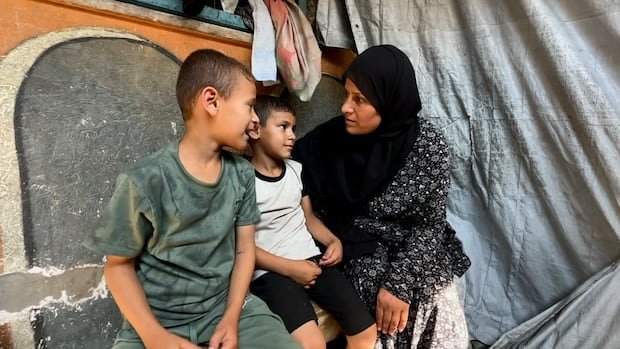
Eman Abu Fasifsa, a resident of central Gaza, shared her heartbreaking experience of a recent miscarriage amidst challenging circumstances, including living in a makeshift room with her five children. She attributed her miscarriage to the stress of daily life, lack of access to proper nutrition, and the physical strain of fetching water.
Despite some improvements in food security in Gaza, the aid coverage has declined, posing a risk of reverting to previous levels of insecurity. While humanitarian efforts have provided essential supplies, many families, like Abu Fasifsa’s, still struggle to find sufficient food and clean water.
The UNFPA stressed that Gaza remains in a state of emergency, with a large portion of the population displaced and limited access to humanitarian aid. The situation has not transitioned from emergency response to recovery, indicating ongoing challenges for families in Gaza.
Abu Fasifsa, reflecting on her loss and current living conditions, expressed her reluctance to consider another pregnancy due to the hardships she faces. Despite her resilience, she mourns the baby she lost and yearns for a better life before the conflict.