
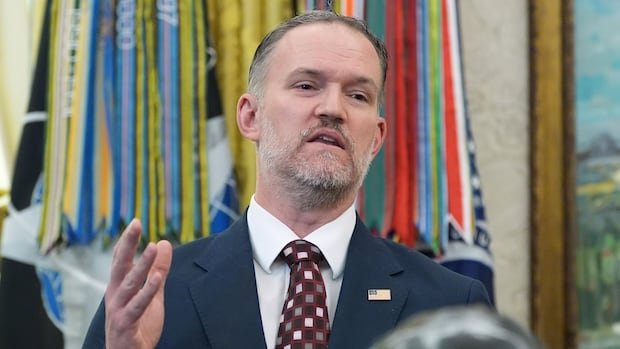

U.S. Trade Representative Jamieson Greer announced that both President Donald Trump and Prime Minister Mark Carney will have various options available following recent trade discussions between Canadian and U.S. trade officials. Greer emphasized the ongoing talks’ progress from the perspective of the Trump administration, highlighting the forthcoming decision-making process for the president and prime minister.
Speaking exclusively to CBC News after the meetings, Greer characterized the discussions as positive and respectful. He mentioned plans for further communication with the president and anticipated Canadian officials engaging with the prime minister.
Subsequent to the meeting, Canada-U.S. Trade Minister Dominic LeBlanc affirmed his commitment to fulfilling Canadian expectations in the negotiations. LeBlanc did not specify the exact number of future meetings with Greer but assured that they would continue until necessary.
Additionally, LeBlanc is scheduled to brief the Advisory Committee on Canada-U.S. Economic Relations on Friday to update them on the negotiation progress. This committee plays a crucial role in developing strategies for Canada’s economic interactions with the U.S.
Following a second meeting this week between Canadian and American trade officials, discussions have intensified since President Trump’s threat to impose significant tariffs on Canadian goods. The escalating talks aim to reach a mutually beneficial agreement before the impending tariff deadline.
Efforts are underway to lower sectoral tariffs, although differences remain on key issues such as preferential access to Canadian critical minerals. LeBlanc and Greer aspire to present a potential trade deal proposal to President Trump at the earliest opportunity.
Moreover, both sides are cognizant of the importance of avoiding political backlash from Canadians in light of the impending tariffs. The Canadian government is open to addressing trade concerns and is considering concessions in areas like alcohol bans, automotive tariffs, and dairy trade policies.
Ontario Premier Doug Ford expressed willingness to reintroduce U.S. alcohol products to the province if an equitable agreement protects Ontario’s key industries. Ford emphasized that tariffs imposed on Canada ultimately impact the American populace, urging a diplomatic resolution to the trade dispute.
Quebec Premier Christine Fréchette’s office echoed a similar sentiment regarding alcohol bans, underscoring Quebec’s exclusive authority in making decisions on alcohol sales within the province. The statement reinforced Quebec’s stance on maintaining the bans until a fair agreement is reached.