
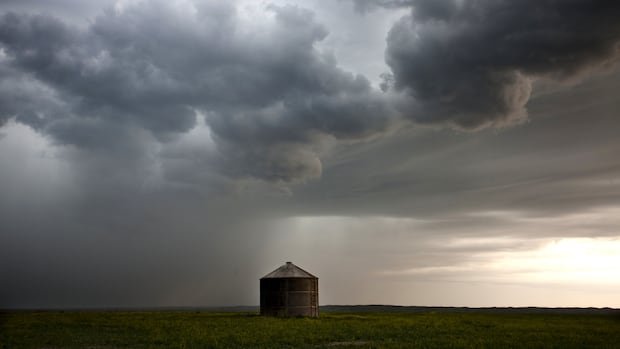

Unsettled Weather Patterns Persist in Southern Prairies This June
The beginning of summer in the southern Prairies has been cooler and stormier than usual. A series of upper low-pressure systems originating from the Pacific Ocean and lingering over the region have resulted in below-average temperatures and severe thunderstorms.
According to Julien Corriveau, a meteorologist at Environment and Climate Change Canada (ECCC), the persistent low-pressure systems have kept temperatures notably cooler, especially in western Alberta. Saskatchewan has experienced temperatures closer to the seasonal average due to slightly warmer overnight lows in the low to mid-teens.
In Saskatoon, daytime highs have remained below 30 degrees Celsius throughout June, with the warmest temperature reaching only 26.9 degrees Celsius. This marks a departure from previous years, with the last June without a 30-degree day recorded in 2024 and a similarly cool June observed in 2014.
As another low-pressure system moves into the western Prairies this weekend, heavy rain is expected in Alberta and Saskatchewan, accompanied by severe thunderstorms. The most severe thunderstorm risks are forecasted for south and central Saskatchewan and southwestern Manitoba, with potential hazards including strong winds, hail ranging from quarter- to ping-pong-sized, and intense rainfall.
The region has already faced a series of severe weather events this month, with multiple thunderstorms producing large hail and tornadoes. Saskatchewan has witnessed seven confirmed tornadoes in 2026, including an EF-3 tornado in Oxbow on June 9 – the first of its kind in the province in over a decade.
Despite the challenging weather conditions, outdoor sports enthusiasts remain resilient. Darren Cannell, founder of the Canadian Volleyball Elite Academy in Saskatoon, noted that players continue to train and compete despite the cooler temperatures and rainfall. He emphasized the importance of adapting to various weather conditions to develop more versatile athletes.
Looking ahead, the ECCC predicts a return to warmer temperatures in July but cautions that the summer could bring continued severe weather and heavy rainfall. Additionally, the potential for funnel cloud activity suggests a continued risk of tornadoes in the region.