
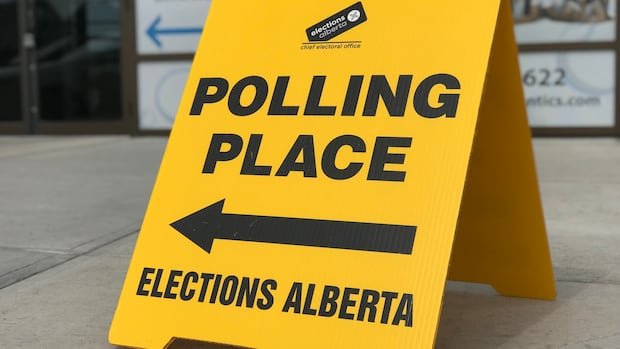

Alberta’s elections agency is facing a challenge as the government plans to revisit the redrawing of provincial ridings ahead of the October 2027 vote. Elections Alberta spokesperson Robyn Bell revealed that the agency typically requires 1½ to 2 years to adjust its systems and election plans with new ridings.
Premier Danielle Smith’s United Conservatives have announced their intention to introduce a motion to reconsider the recently proposed boundary changes, with a deadline set for the fall to complete the work. This move would leave Elections Alberta with approximately one year before the upcoming election if the deadline is met.
Bell highlighted that reducing the preparation time could impact the cost of implementation, as seen in most large-scale projects. The agency will need to update its computer systems, internal election management software, public-facing websites, plan for new polling stations, returning offices, produce new forms, maps, and other documentation, and educate the public on the changes once the riding maps are received.
The controversy surrounding Alberta’s electoral boundaries stems from differing recommendations on new ridings by a bipartisan commission. The majority proposal, led by commission chair Dallas Miller and two NDP-appointees, clashed with the minority opinion put forth by UCP-appointees, advocating for the creation of more rural and urban hybrid ridings to maintain rural representation.
The term “gerrymandering” was raised, referring to redrawing voting boundaries to favor a particular political party. Miller suggested increasing the number of legislature seats by four to preserve rural representation, aligning with the majority report as a starting point. Premier Smith denied allegations of gerrymandering, emphasizing the government’s commitment to supporting Elections Alberta.
While the Opposition NDP criticized the government’s actions, Smith defended the decision, asserting that the additional seats in the legislature would ensure effective representation and prevent further expansion of rural ridings. The second bipartisan panel, comprising the same members as the initial commission, will develop new maps based on the feedback collected during the first round of public hearings.