
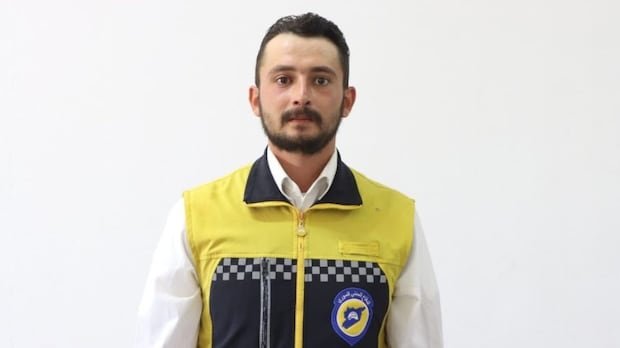

Syrians have demonstrated this week demanding justice for the death of Mohammad Ghamira, a Syrian man who passed away in a hospital after reportedly being mistreated by security forces while in custody. This incident occurred shortly after the new government pledged to eradicate the prevalent systemic detentions and abuse seen under the previous regime.
Ghamira’s family informed authorities that the 29-year-old, a father of two, had hemophilia, a rare genetic disorder affecting blood clotting. He was held in detention for three days, released on August 9, and immediately hospitalized. Unfortunately, he succumbed to his condition a week later.
For Syria’s current administration, Ghamira’s demise serves as a pivotal test of its commitment to accountability following the fall of the long-standing Assad regime. The incident triggered peaceful demonstrations and sit-ins across the country, shedding light on numerous allegations of mistreatment at detention centers since the new government assumed power.
Fadel Abdulghany, the executive director of the Syrian Network for Human Rights (SNHR), emphasized the urgent need for a unified, judiciary-supervised system to govern detention practices in the transitioning Syria. The evolution of Syria’s governance will hinge on establishing systemic accountability rather than selective measures, as highlighted by Ghamira’s tragic case.
Ghamira, a former volunteer with the White Helmets, was detained by the Latakia Internal Security Command over an alleged theft accusation. Despite his family’s warnings regarding his medical condition, he was reportedly subjected to physical abuse during his detention, leading to his untimely demise at Latakia University Hospital.
The Interior Ministry of Syria has initiated an investigation into Ghamira’s death, detaining seven personnel for questioning. However, concerns persist regarding the adequacy of internal probes in ensuring accountability. Rights groups stress the necessity of an independent criminal investigation and prosecution, coupled with transparency in sharing findings with the public and the bereaved family.
The incident has reignited the anguish of Syrian families who have experienced similar tragedies during the Assad era, underscoring the imperative for systemic reforms to prevent future mistreatment in detention facilities. The call for transparent investigations, protection of detainees’ rights, and a shift towards a more accountable and just Syria resonates among those seeking an end to the cycle of abuse and impunity.