

A diverse ecosystem in the northern region of Manitoba is moving closer to receiving long-term protections that have been under discussion between the province and Ottawa for several years. The federal and Manitoba governments initially revealed their partnership with the Seal River Watershed Alliance at the COP15 biodiversity conference in 2022. The alliance consists of four First Nations with ancestral ties to the watershed. They embarked on a study in 2024 to determine the most effective ways to safeguard the Seal River’s waterways, wetlands, and boreal forest habitats rich in wildlife.
Recently, Manitoba Environment Minister Mike Moyes, alongside leaders from the First Nations and federal officials, unveiled initiatives to ensure the conservation of the Seal River for the future. This includes a $4 million endowment from the province. They have invited public feedback on proposed plans to manage the watershed through a network of protected areas.
The proposal aims to establish protected areas that will sustain the lands and waters, respect Indigenous traditions, and welcome visitors to northern Manitoba. Manitoba Premier Wab Kinew highlighted the significance of nature conservation and expressed eagerness to receive feedback from Manitobans on the proposal.
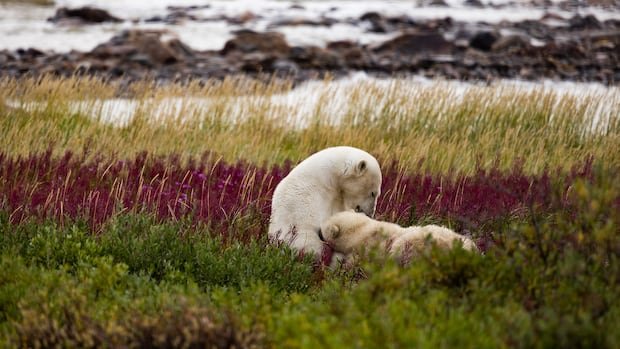
The Seal watershed, spanning 50,000 square kilometers, is home to a variety of wildlife, including polar bears, grizzly bears, and caribou. It also plays a crucial role in combating climate change as the wetlands act as carbon sinks, absorbing and storing carbon dioxide from the atmosphere. Failure to conserve these ecological services could lead to significant economic losses for Manitoba due to climate change impacts.
The Seal River Watershed Alliance, comprising members from various Indigenous communities, is dedicated to protecting the Seal River. They aim to expand eco-tourism opportunities and empower the youth to take charge of preserving the region for generations to come.
Public consultation is now open for the proposed protection plans, which suggest creating a joint board to oversee management involving Indigenous, federal, and provincial representatives. The ultimate goal is to designate the entire watershed as an Indigenous Protected and Conserved Area, with a majority becoming a provincial park and the remainder a national park reserve. Manitobans have the opportunity to provide their input on these plans until June 2.