
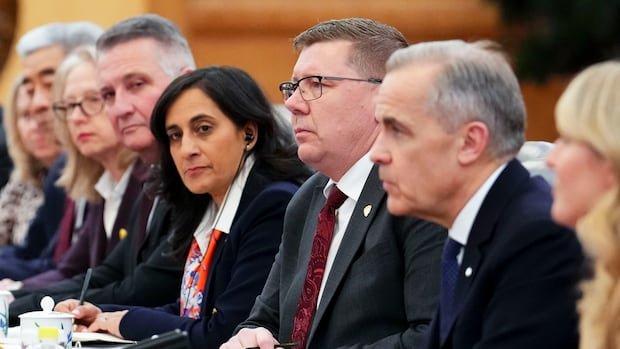

Saskatchewan Premier Scott Moe described a recent trade agreement with China as a significant advancement for Canadian agriculture. Moe, alongside Prime Minister Mark Carney, participated in discussions with Chinese officials, a situation he found unexpected. The negotiations resulted in a new trade deal between Beijing and Ottawa that is expected to bring tangible benefits to Saskatchewan.
The agreement includes a commitment from Beijing to reduce canola seed duties to 15 percent by March. Additionally, Canadian canola meal, lobsters, crabs, and peas will no longer face “anti-discrimination” tariffs from March through the end of the year. In return, Canada will allow up to 49,000 Chinese electric vehicles into the Canadian market annually at a 6.1 percent tariff.
Saskatchewan’s premier and the local canola industry have expressed satisfaction with the new trade pact. Moe hailed the deal as a positive development for Canada’s agricultural sector, commending the prime minister and other government officials for their efforts in securing the agreement.
Industry stakeholders, including Terry Youzwa, the chair of Pulse Canada, welcomed the news, emphasizing the importance of nurturing relationships with trading partners like China. Rick White, CEO of the Canadian Canola Growers Association, commended the progress made in the deal and expressed optimism for the future of the market.
Dean Roberts, board chair of Sask OilSeeds, shared his hopeful sentiments regarding the agreement, acknowledging the challenges faced by Canadian farms due to the prolonged trade dispute. Roberts reiterated the significance of maintaining access to both U.S. and Chinese markets for the canola industry’s sustainability.
The deal signifies a positive step forward for Canadian agriculture, with stakeholders optimistic about the potential benefits it will bring to the industry.