

Electric ferries globally are expanding in size, strength, and capability to cover longer distances. In Canada, numerous ferry services are transitioning to electric power, with plans to electrify longer routes. Cities like Vancouver, Halifax, and Toronto are embracing electric ferry projects to enhance their transportation services. However, some Canadian ferries capable of operating solely on battery power are still relying on fuel due to the complexities of installing charging infrastructure.
The trend of ferry electrification in Canada is gaining momentum as authorities aim to reduce greenhouse gas emissions. Ferries’ short and predictable routes make them suitable for battery electrification, offering a cleaner and more cost-effective alternative to fossil fuels. By 2035, battery technology is projected to outprice fossil fuels for most European ferries, significantly reducing air pollution in major ports like Dublin and Piraeus.
Toronto’s decision to replace diesel-powered ferries with battery-electric vessels aligns with the city council’s climate emergency declaration. The upcoming electric ferries are expected to provide passengers and residents with a more pleasant and environmentally friendly commuting experience. With a substantial percentage of global ferries on order being electric or hybrid-electric, the shift towards electrification is evident.
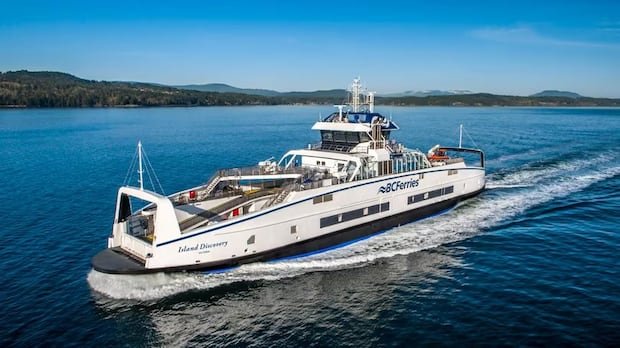
Canada’s ferry electrification journey began with short cable ferries and has now progressed to larger vessels handling longer routes. The transition to electric power for larger ferries poses challenges in terms of infrastructure and cost. Hybrid ferries, like those in operation by B.C. Ferries, serve as an interim solution until full electrification is feasible. Investments in hybrid-electric and fully electric ferries across various provinces underscore the industry’s commitment to sustainable maritime transportation.
While the electrification of ferries presents numerous advantages, the pace of transition is hindered by limited government support and stringent emissions regulations. Despite the challenges, experts anticipate a widespread adoption of electric ferries globally due to their environmental and economic benefits. The shift towards electrification in the ferry industry is seen as an inevitable evolution towards cleaner and more sustainable maritime transportation.