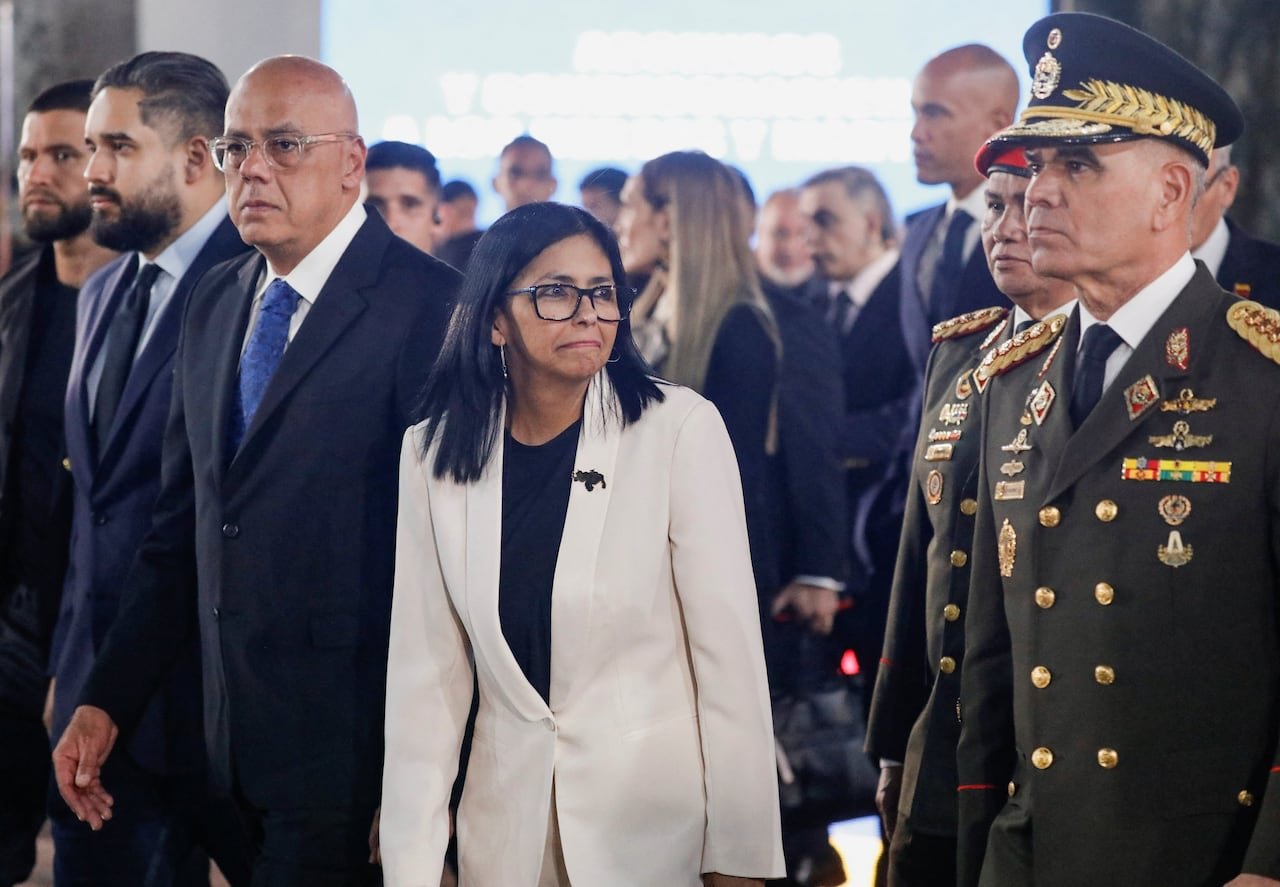

The streets of Caracas witnessed disappointment on Friday as only a few prisoners were released from Heilcoide and other prisons, despite a pledge from a high-ranking regime official for a “significant” number of releases.
Jorge Rodriguez, the Chavista president of the National Assembly and elder brother of acting president Delcy Rodriguez, had earlier announced the releases as a goodwill gesture.
By Friday afternoon, Foro Penal, an NGO advocating for political prisoners in Venezuela, reported that only nine individuals had been set free, while 811 remained incarcerated.
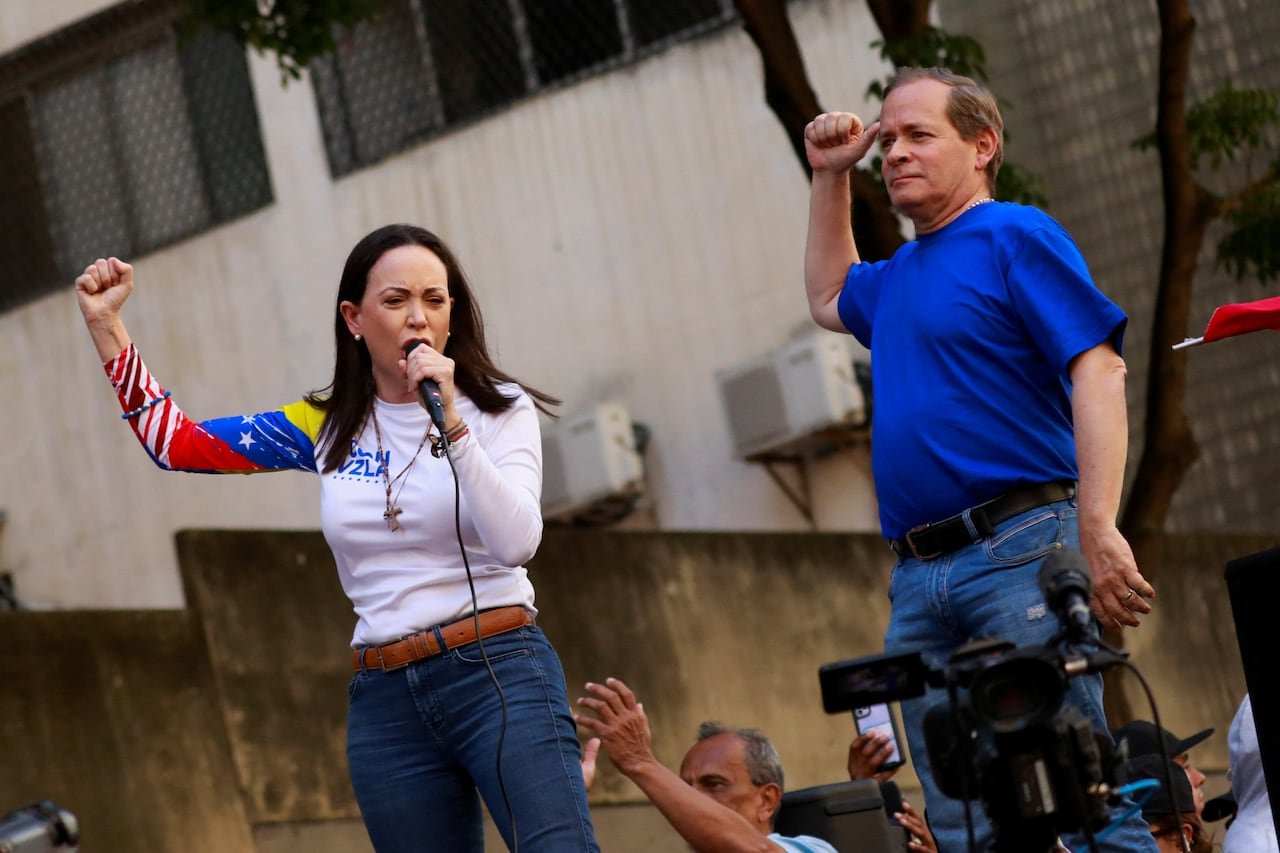
Initial reports had suggested that Juan Pablo Guanipa, a prominent opposition figure detained by the regime, might be among the released, but his liberation did not materialize.
Family members and friends of detainees in Canada, including Guanipa’s childhood friend Luz Urdaneta in Calgary, also expressed frustration and heartbreak.
Urdaneta conveyed her disbelief at seeing someone as hard-working and dedicated as Guanipa imprisoned without communication or rights.
Shift in U.S. Administration Stance
Guanipa was detained last May after actively supporting opposition candidates Edmundo Gonzalez and Maria Corina Machado in the election campaign. He previously served as the governor of Zulia state and as the vice-president of the National Assembly.
U.S. Secretary of State Marco Rubio criticized Guanipa’s arrest as unjustified and arbitrary and reiterated American support for democracy restoration in Venezuela and the release of all political prisoners.
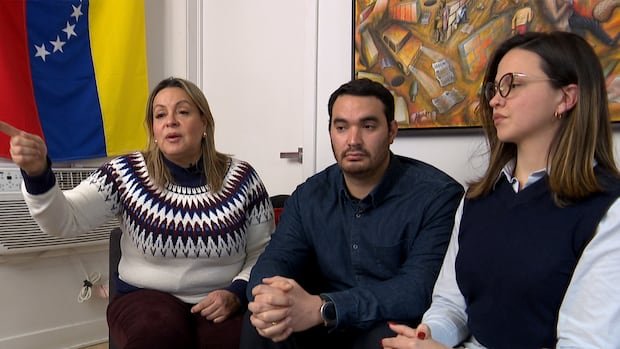
The capture of Nicolás Maduro by the U.S. has brought hope to political dissidents in Venezuela’s prisons. CBC’s Evan Dyer discusses the expectations of Venezuelans in Canada for more U.S. efforts in freeing their loved ones.
However, following the capture of Nicolás Maduro on Jan. 3, the Trump administration appears to have shifted its approach regarding democracy restoration in Venezuela. The administration seems reluctant to use its leverage on the Maduro regime to demand the immediate release of prisoners.
Discussing the U.S. strategy, Rubio mentioned a phased approach of stabilizing Venezuela first before moving to a phase of recovery at a later unspecified time. Only in the recovery phase would the administration focus on national reconciliation to amnesty opposition forces and release prisoners.