
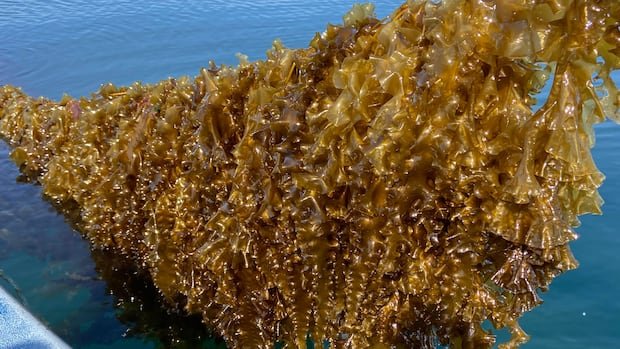

A British Columbia-based company is set to open a new biorefinery, with hopes that seaweed will have a significant impact on the future of agriculture. Cascadia Seaweed is gearing up to launch a project in Port Edward, situated approximately 15 kilometers east of Prince Rupert, BC. Their aim is to transform locally cultivated and harvested kelp and seaweed into a liquid product known as seaweed-derived biostimulant, designed to help farmers enhance crop yields and fortify resilience to challenges like drought.
CEO and co-founder Michael Williamson highlighted the nutrient-rich ocean waters of British Columbia, particularly in the northern region, which facilitate the growth of high-quality seaweed. He emphasized the transformative potential of quality seaweed in producing beneficial products like biostimulants.
The biostimulants are intended for soil application or plant foliar spray to enhance nutrient utilization by the plants, according to Williamson. This process enables better absorption of fertilizer products by the plants, leading to improved soil health and natural growth acceleration.
The establishment of the plant in Port Edward is expected to generate several new job opportunities, both full-time and part-time, particularly during planting and harvesting seasons. Williamson described it as a modest yet consistent economic contributor to the northern region. The company repurposed a facility previously used for fish processing, making the transition to a seaweed processing plant relatively smooth.
Cascadia Seaweed, which commenced operations in 2019 on Vancouver Island before expanding northward, strategically selected Port Edward due to its proximity to the Port of Prince Rupert for international shipping and access to rail lines for product distribution to the United States.
Williamson noted that a substantial portion of their current product sales occur in the United States, specifically in California and the U.S. Midwest. The company’s team, comprising technicians, engineers, harvesters, and scientists, is working towards having the plant fully operational within the next few months.