
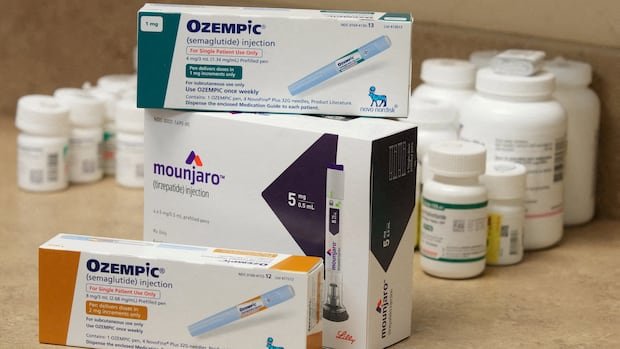

A recent review discovered that individuals who are overweight or obese and cease taking weight-loss medications experience quicker weight regain compared to those who discontinue a diet or exercise regime. Weight loss drugs containing semaglutide, a key component in popular medications like Ozempic and Wegovy, have gained significant traction. However, approximately half of obese individuals using these medications, known as glucagon-like peptide agonists or GLP-1s, discontinue their usage within a year due to high costs and adverse gastrointestinal effects.
In a study published in the latest issue of BMJ, researchers emphasize the importance of comprehending weight regain due to the health risks associated with conditions like diabetes and heart disease. To address this issue, Sam West, a postdoctoral researcher at the University of Oxford, and colleagues analyzed randomized trials and observational studies involving over 6,000 overweight or obese adults who took GLP-1s or older weight-loss medications compared to 3,000 participants in behavioral weight management programs.
Upon discontinuing treatment, individuals on weight-loss medications regained an average of 0.4 kg per month, resulting in an average weight regain of 4.8 kilograms or 10 pounds within the first year. Although long-term follow-up was limited, modeling projections indicated that risk factors for diabetes and heart disease would revert to pre-treatment levels in under two years.
Notably, individuals who discontinued weight-loss medications regained weight nearly four times faster than those who stopped exercising or adhering to dietary plans. These plans ranged from group programs like Weight Watchers to liquid diets. Even individuals who ceased behavioral programs experienced weight regain.
Dr. Sonja Reichert, an associate professor of family medicine at Western University, emphasized that new weight loss medications are not a quick fix for obesity. Reichert highlighted the chronic nature of obesity and the importance of long-term medication use. One patient, Heather White, faced challenges with weight loss medications due to side effects but later found success with another medication, Mounjaro.
Experts suggest that GLP-1 medications lack lasting effects, and weight tends to return once the hunger-curbing effects wear off. Despite this, the drugs are considered beneficial but should be coupled with weight-loss maintenance strategies and efforts to modify the food environment.
Support during treatment, such as nutritional guidance, has been shown to enhance weight loss outcomes. However, the rapid weight regain post-medication cessation remains a subject requiring further study. The need for coping mechanisms to manage hunger after stopping medications is crucial for weight maintenance.
Overall, ongoing research aims to improve access to medications and behavioral support, reduce costs, and combat stigma to foster healthier lifestyle changes for individuals struggling with obesity.