
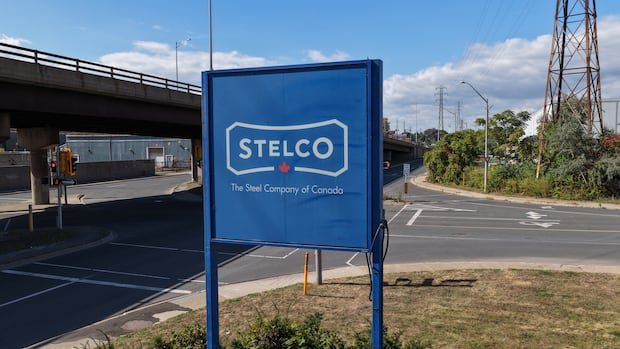

Stelco’s American parent company CEO has asserted that they will protect themselves if faced with a lawsuit from Ottawa following the decision to halt production at a steel mill in Hamilton, resulting in potential layoffs of up to 500 employees, attributed in part to the ongoing trade tensions between Canada and the U.S.
This statement comes in response to Prime Minister Mark Carney’s declaration that Ottawa will utilize all available legal means against Cleveland-Cliffs, as it pursues the Ohio-based firm to the fullest extent of the law. Cleveland-Cliffs CEO Lourenco Goncalves, in an interview with CBC News, emphasized that Stelco’s ability to freely market steel produced in Hamilton to U.S. customers was a fundamental condition of the acquisition agreement made in 2024. This agreement included maintaining substantial employment levels in Canada and significant operations in Hamilton, all of which were negotiated under the Canada-U.S.-Mexico Agreement (CUSMA) in effect at the time of the purchase.
Goncalves highlighted that the ability to sell into the U.S. was a key factor in acquiring Stelco and expressed regret over the escalating trade tensions between the two countries. Despite the current trade war, CUSMA is still operational until 2036, even though discussions on its renewal were halted by the U.S. in July.
The decision to reduce the workforce at Stelco, potentially affecting 500 jobs, has been attributed directly to the trade conflict instigated by U.S. President Donald Trump. The implementation of 50% tariffs on foreign steel by the Trump administration, countered by retaliatory duties imposed by Canada, has significantly impacted the steel industry.
Goncalves defended his support for Trump’s actions, emphasizing that his investments in Canada are driven by a belief in the country and its people. He expressed concerns about the oversaturation of the Canadian market with foreign steel imports, leading to a decision to focus on hot-rolled products due to market pressures.
Despite claims of insufficient orders, sources within Stelco have indicated that there is demand from customers looking to place orders. Goncalves clarified that the issue lies not in a lack of financial resources but in the uncertainty surrounding trade relations between Canada and the U.S., which poses a significant challenge for the company.
As the situation unfolds, the dispute between Stelco and Ottawa continues to evolve, raising concerns about the broader implications of the trade war on the steel industry and the workforce in both countries.