
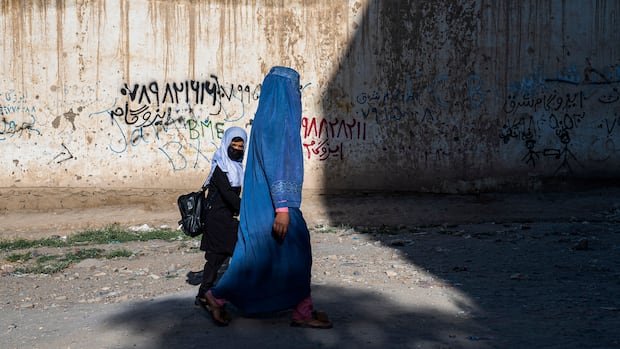

“Being a woman in Afghanistan feels like a mistake,” expressed a young woman in Kabul, reflecting on life in the city five years after the tumultuous departure of U.S.-led NATO forces paved the way for the Taliban’s return in August 2021.
Under the rule of the self-declared Islamic Emirate of Afghanistan, approximately 22 million women and girls have experienced a severe erosion of their rights. Restrictions began with school closures and extended to limitations on movement, employment, education, social activities, and even speaking in public without permission.
To safeguard her identity due to potential repercussions from speaking out or her involvement in Canadian-funded projects, she will be referred to as X.
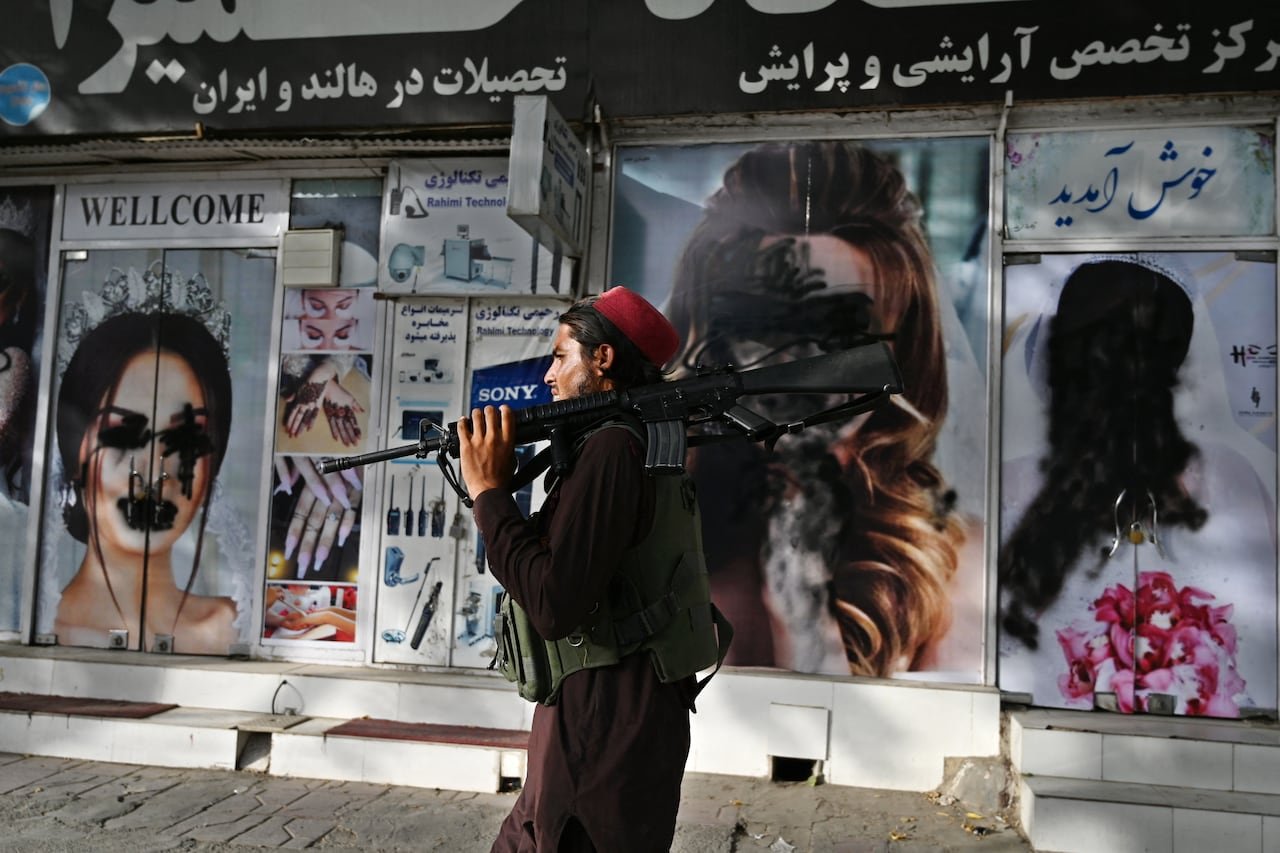
Over the past five years, the Taliban has imposed numerous directives aimed at oppressing women, including restrictions on being outside without a male companion, pursuing most careers, or advancing education beyond primary level. They are also barred from public spaces like parks, gyms, salons, and even raising their voices in public.
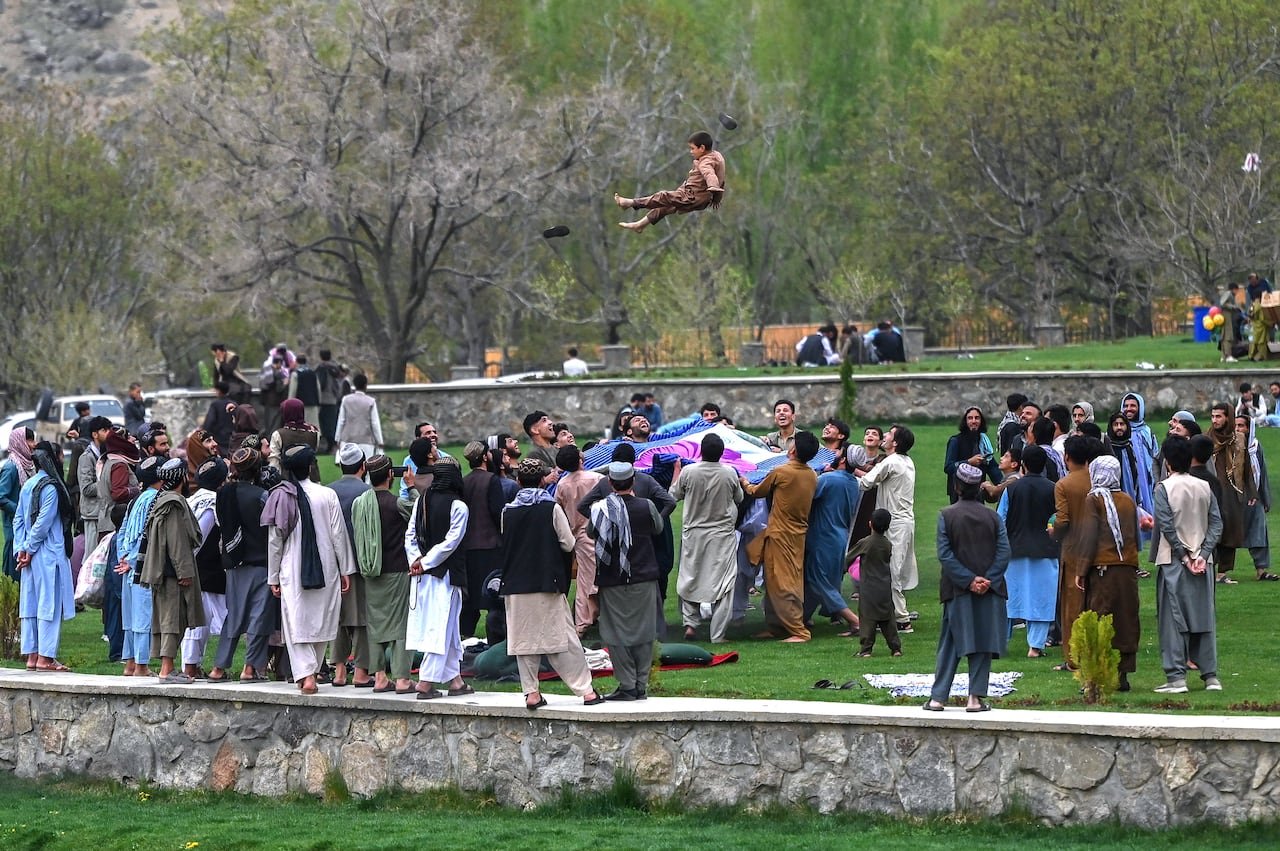
A recent report by UN Women highlighted that due to severe restrictions on movement and access to public spaces, half of Afghan women surveyed only leave their homes once or twice a month, creating a sense of isolation and fear.
“It feels like there are dangers lurking outside, and we are confined at home,” X remarked. “Simply stepping out without a proper hijab could lead to arrest.”
Pain and Disillusionment
The situation is suffocating for all Afghan women, but for X, it carries additional pain and disillusionment. Previously, she worked for aid organizations funded by Global Affairs Canada, supporting women and girls’ empowerment in Afghanistan before the Taliban takeover.
Her public role made her a target under the Taliban regime. Despite applying for Canada’s Special Immigration Measures Program (SIMs) for Afghans who assisted the Canadian government, X faced challenges in gaining approval despite receiving endorsements from Global Affairs Canada.
According to Immigration, Refugees and Citizenship Canada, since August 2021, over 65,000 Afghans have been welcomed to Canada under various immigration streams, including the SIMs program.
Despite receiving a full endorsement from Global Affairs Canada, X faced delays and uncertainty in her application process. She lamented the lack of support and the bureaucratic challenges she encountered.
‘Full Endorsement of GAC’
“Your application has been endorsed by GAC and referred to IRCC,” assured a GAC official in correspondence with X. However, the promised support did not translate into a formal invitation to apply for the program.
Struggling with the bureaucratic hurdles, X found her SIMs application canceled due to the absence of an invitation from IRCC, leaving her in limbo.
Efforts to seek clarification on X’s situation and the overall system from GAC remained unanswered.
Uncertain Fate of Applications
X’s plight is not unique. Allegations surfaced in 2022 that nearly 2,900 SIMs applications were lost, underscoring the challenges faced by Afghan applicants seeking safety abroad.
Amidst the chaos, many applicants like X found themselves abandoned by the system, leading to despair and feelings of betrayal after the fall of the Western-backed government in Kabul.</