
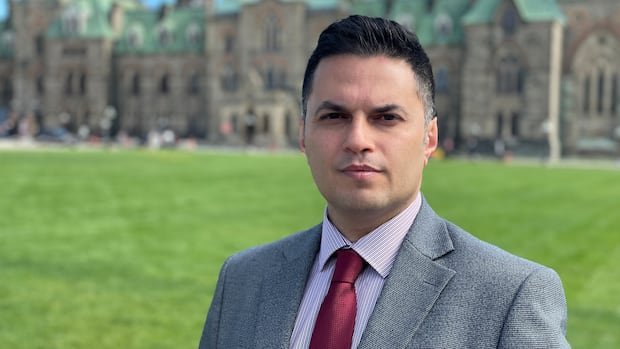

Farzin Jafari is confronted with a difficult decision: either stay in Canada and hope that he and his family can remain, or leave his wife and young daughter behind in the hope that they can stay if he is found ineligible and forced to return to Iran.
Jafari is among numerous permanent residency applicants who were issued Procedural Fairness Letters (PFLs) by Immigration, Refugees and Citizenship Canada in August, raising concerns about their potential ties to the Islamic Revolutionary Guard Corps (IRGC), designated a terrorist organization by the Canadian government in 2024.
The letters highlighted possible inadmissibility based on connections to the IRGC, citing concerns of engaging in terrorism. Jafari expressed his lack of choice in serving in the IRGC, emphasizing that individuals have no say in the branch they serve under during compulsory military service in Iran.
Having completed his mandatory military service in 2011, Jafari worked as a software engineer in Iran before relocating to Canada in 2021 with his wife, fearing for their safety due to past encounters with Iranian authorities. Since arriving in Canada, Jafari has been actively protesting against the Iranian government and advocating for the IRGC’s classification as a terrorist entity.
Upon receiving the PFLs, Jafari, and others like him, were taken aback as they emphasized their status as victims of the IRGC rather than active members. Advocacy groups have reported that hundreds of similar letters were sent to applicants, complicating their immigration status and causing uncertainty about their future in Canada.
The process of assessing inadmissibility concerns related to IRGC connections is considered a routine part of Canada’s immigration law, although proving disassociation from the IRGC post-mandatory service presents challenges for conscripts. Legal experts and advocates stress the difficulties faced by individuals who served under duress and emphasize the need for nuanced considerations in evaluating their cases.
As the affected individuals navigate this uncertain period, concerns about their potential removal from Canada loom large, particularly for Jafari and his family. The temporary halt on deportations to Iran adds to the complexities of their situation, leaving them in a state of limbo with no immediate resolution in sight.