
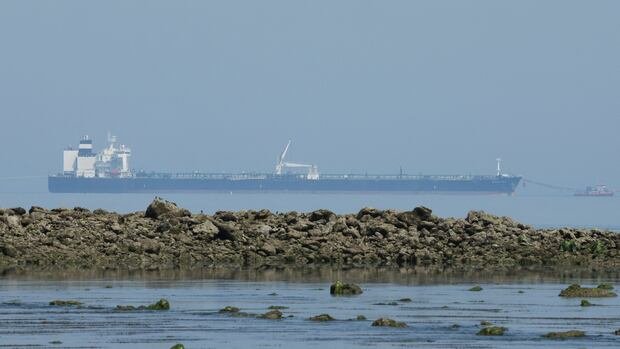

The United States has granted a 30-day license to allow countries to purchase Russian oil and petroleum products currently stranded at sea, aiming to stabilize global energy markets affected by the conflict in Iran. This decision follows the U.S. Energy Department’s release of 172 million barrels of oil from the strategic petroleum reserve to address surging oil prices. The International Energy Agency has committed to releasing a total of 400 million barrels of oil to counter the significant disruption in oil supply caused by the Middle East conflict.
Treasury Secretary Scott Bessent described the measure as a short-term and narrowly tailored action that would not provide substantial financial benefits to the Russian government. Ukrainian President Volodymyr Zelenskyy expressed concerns about the move potentially generating significant revenue for Russia, noting that it could hinder peace efforts.
This decision has raised objections among Ukraine’s allies, with some expressing surprise at the divergence in views between the U.S. and other nations regarding sanctions on Russia. The U.S. has been engaging in talks with Ukraine and Russia to resolve the ongoing conflict, although the recent unilateral action by the United States has sparked concerns about its impact on these negotiations.
The 30-day license, which allows for the delivery and sale of Russian oil and petroleum products loaded on vessels as of March 12, will be in effect until April 11. The U.S. Treasury had previously issued a similar waiver for India on March 5, drawing criticism from some lawmakers for potentially aiding Russia financially.
To address rising energy prices, the Trump administration is considering waiving the Jones Act to facilitate the movement of energy and agricultural products between U.S. ports. Additionally, efforts are underway to expedite the entry of unsanctioned oil into the market and boost domestic oil production to mitigate price fluctuations.
Russian officials view the U.S. sanctions waiver on oil as a means to stabilize global energy markets, emphasizing the mutual interest both countries have in this matter. President Trump highlighted the potential financial gains for the United States due to higher oil prices, drawing mixed reactions from lawmakers.
Tensions in the region have escalated following U.S. and Israeli actions against Iran, impacting oil and gas flows in the Middle East and leading to increased energy prices. Iran has threatened to block oil shipments from the Gulf unless the attacks by the U.S. and Israel are halted, further complicating the situation.