
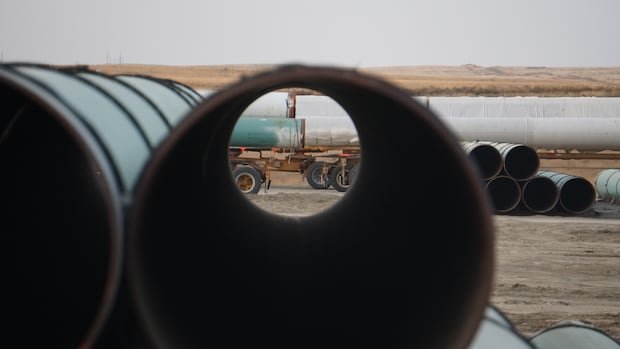

U.S. President Donald Trump has hinted at the revival of the Keystone XL oil pipeline project between Canada and the U.S., which was previously abandoned by past administrations. This suggestion comes amid a new trade agreement with Canada, where Trump announced a temporary halt on new tariffs.
While Trump’s statement may have political motivations rather than being solely based on the oil industry, experts point out that the potential revival of Keystone XL could pose challenges. The current administration faces obstacles similar to those faced in the past concerning the project’s political and environmental implications.
Since imposing tariffs on Canadian goods in 2025, Trump has been vocal about the U.S. not needing products from Canada. Despite exemptions for certain items like oil, challenges remain in reanimating the Keystone XL project. Experts note that the project’s resurrection could be influenced by political factors, especially with potential shifts in leadership.
Although Trump’s remarks about Keystone XL have raised speculation, the project’s future remains uncertain. While there are discussions about its revival, the practicality and feasibility of the project in the current market context are subjects of ongoing debate.
The Keystone Pipeline System, responsible for transporting Canadian and U.S. crude oil to American refining markets, plays a crucial role in North America’s energy infrastructure. The potential resurrection of the Keystone XL project could impact Canada’s crude oil exports to the U.S., emphasizing the significance of the decision-making process.
As discussions around the Keystone XL project continue, stakeholders evaluate the potential benefits and challenges associated with its revival. While political and economic factors come into play, the ultimate fate of the project remains uncertain pending further developments and decisions.