
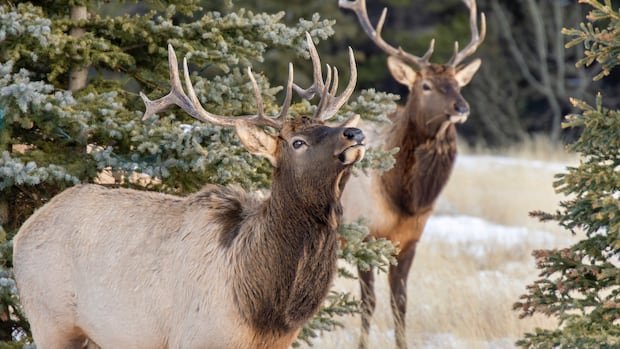

A recent study conducted across 25 Canadian national parks revealed that elk were involved in almost 60% of aggressive wildlife encounters. The analysis, based on data from Parks Canada spanning from 2010 to 2023, highlighted that these confrontations often occurred during common activities such as hiking, wildlife observation, sightseeing, and leisurely walks in town.
The research focused on five animal species: elk, mule deer, coyotes, grizzlies, and black bears. Elk were the primary participants in over 60% of the nearly 3,000 aggressive incidents. They were frequently encountered during adventure sports like mountain biking and made up 80% of the conflicts at campsites. Additionally, elk were found to be the most prevalent in-town encounters among all wildlife species.
Shashank Balakrishna, the study’s author, emphasized that people often underestimate the potential danger posed by elk due to their herbivorous nature. He pointed out that despite commonly perceived as non-aggressive compared to grizzly bears, elk can exhibit aggressive behavior, as evidenced by the study’s findings.
According to Nick de Ruyter, the program director at the Biosphere Institute of the Bow Valley, the study results were not surprising. He explained that elk are frequently present in and around the Town of Banff to avoid predators. De Ruyter noted that people’s familiarity with elk’s presence may lead them to perceive the animals as docile, resulting in risky behaviors like attempting to feed or take selfies with them, ultimately leading to attacks.
The study data revealed that the majority of encounters occurred in Banff and Jasper, likely due to the high influx of tourists visiting these parks annually. Various types of interactions, including aggressive displays such as stomping and bluff charges, were categorized under “aggressive encounters,” with actual attacks accounting for only 1.6% of incidents.
De Ruyter emphasized that wildlife in the parks generally display tolerance towards humans, with many aggressive behaviors being defensive measures signaling that individuals are invading their space. He stressed the importance of maintaining a healthy level of respect and caution towards wildlife to prevent potential conflicts.
Bears were responsible for approximately 27% of aggressive encounters, with grizzly encounters primarily associated with low-impact activities like hiking. De Ruyter recommended making noise while on trails, especially in areas with limited visibility, to prevent sudden wildlife encounters.
Although coyotes and mule deer had fewer aggressive encounters, instances of aggression often occurred in town areas. De Ruyter highlighted that hiking and walking are prevalent activities in the parks, potentially contributing to the frequency of encounters during these pursuits.
The study’s findings do not suggest that hiking is inherently more dangerous, as the researchers lacked specific data on the distribution of activities among visitors. De Ruyter advised maintaining a safe distance from wildlife, carrying bear spray, and being prepared even in busy town areas to mitigate risks associated with wildlife encounters.