
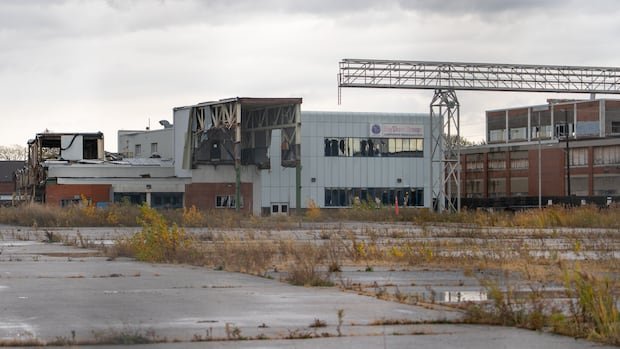

The City of St. Catharines, Ontario, has recently issued two directives to the owners of a derelict and polluted site that previously housed two automotive parts manufacturing plants operated by General Motors.
These property maintenance orders, issued on May 22, require actions to be taken regarding the upkeep of the buildings on the premises, including securing electrical components and clearing away debris.
The issuance of these orders followed a site inspection prompted by complaints from local residents regarding open doors at the West Plant located at 285 Ontario St. and an open gate at the East Plant at 282 Ontario St., as explained by St. Catharines Mayor Mat Siscoe in communication with CBC Niagara.
Mayor Siscoe expressed that significant efforts have been made over the past decade to address issues related to the site. He stated, “While the orders issued today will not immediately resolve the challenges hindering redevelopment, I am optimistic that they will mark the beginning of a constructive way forward.”
If the property owners fail to adhere to the directives, city authorities have the option to impose fines or pursue legal action under the Provincial Offences Act, noted by bylaw enforcement manager Paul Chudoba.
MPP Raises Concerns Over the Site at Queen’s Park
It is important to note that the city’s directives do not specifically address the remediation of contaminants previously detected in the soil and groundwater at the site. St. Catharines Member of Provincial Parliament (MPP) Jennie Stevens introduced a motion on this matter at Queen’s Park on Wednesday.
Stevens shared that she has been in contact with concerned community groups and environmental advocates advocating for the cleanup of the 22-hectare site, equivalent to about 41 American football fields in size.
“Fifteen years after General Motors left the Ontario Street site, residents of St. Catharines continue to live amidst contamination, unanswered inquiries, and a lack of accountability,” Stevens emphasized in a news release.
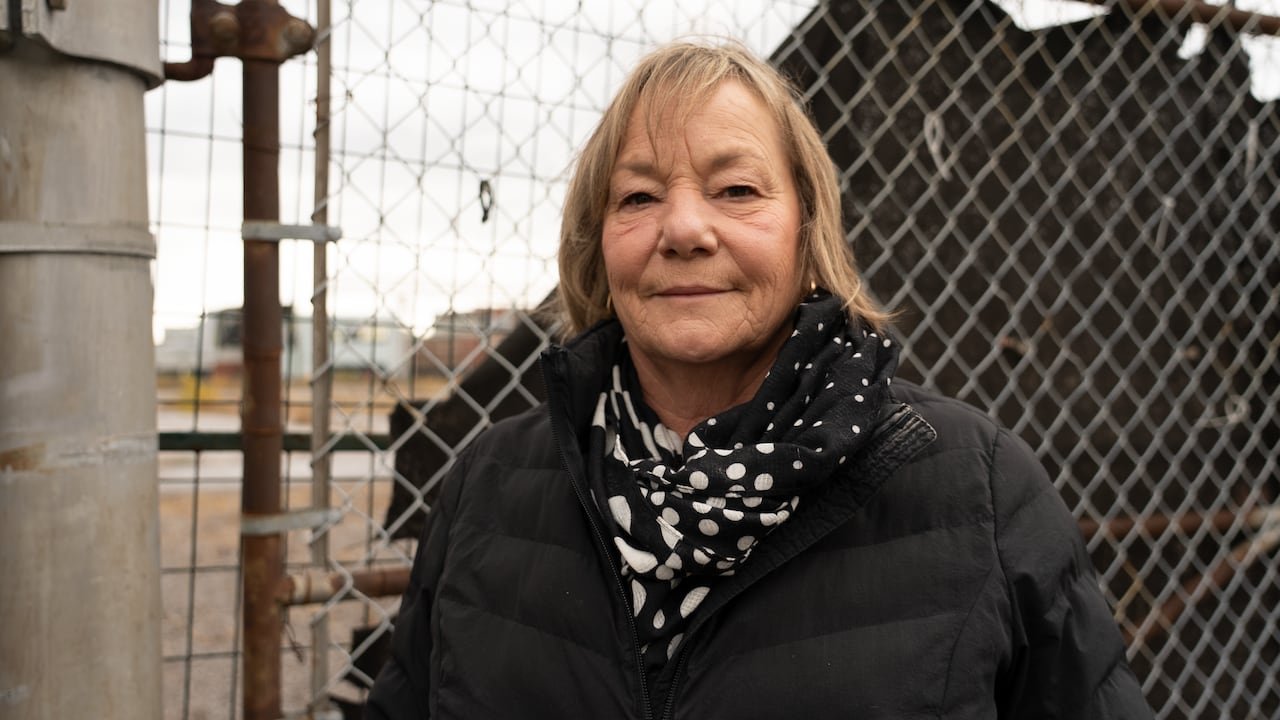
The motion presented aimed to hold General Motors accountable for the cleanup of the site under the Environmental Protection Act, according to an official statement from the New Democratic Party (NDP).
During a session at Queen’s Park, Environment Minister Todd McCarthy assured that the ministry would monitor the city’s compliance directives for cleanup.
McCarthy stated, “Our government expects all regulated entities to adhere to Ontario’s stringent environmental regulations, and we will take necessary measures upon identifying any non-compliance.”
Stevens mentioned to CBC Niagara that McCarthy has committed to a meeting in the following week to discuss the site further.
In 2010, General Motors ceased operations at the two plants and subsequently sold the property to developer BayShore Groups in 2014 for $12.5 million.
“At the time of the sale in 2014, the Ontario Street property met all Ontario and municipal standards,” mentioned GM spokesperson Marie Binette in an email correspondence with CBC Niagara.
However, environmental assessments conducted on the site in 2010 and 2012, obtained by CBC News through freedom of information requests, identified pollutants in the soil and groundwater, including hazardous metals and chemicals exceeding Ontario’s regulatory thresholds for safe redevelopment of industrial areas before being repurposed for residential use.
Current Ownership of the Site
BayShore Groups, a redevelopment firm with offices in St. Catharines and Budapest, acquired the property in 2014 with plans to transform it into a retirement community featuring nature trails along Twelve Mile Creek, a vocational school, and more, as outlined in a press release on their website from 2018.
Although official land registry documents attribute a BayShore subsidiary as the present landowner, Mayor Siscoe informed CBC Niagara that the group is currently not involved with the site.
MPP Stevens also expressed her belief that BayShore has disengaged from the project.
Despite indications that BayShore has withdrawn from the endeavor according to municipal and provincial officials, the cleanup directive was