
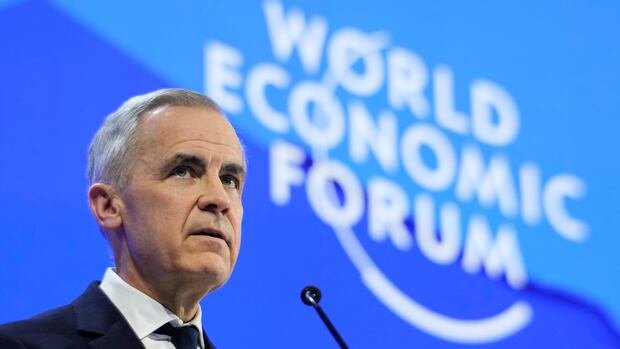

Mark Carney, during his initial year as prime minister, spent more days abroad than Justin Trudeau. He was in Mumbai, India when the U.S. and Israel initiated a war against Iran on February 28. Carney’s statement in support of the U.S. actions stirred discontent within his party as it diverged from his previous commitment to upholding the UN Charter’s principles, which he had emphasized at the World Economic Forum in Davos, Switzerland. Embracing a new “values-based realism,” Carney’s approach signified a shift towards a less idealistic foreign policy.
In November, Carney signaled the end of branding Canada’s foreign policy as officially “feminist,” opting for a more balanced and pragmatic approach that combines principles with practicality. The criticism from former foreign minister Lloyd Axworthy highlighted Carney’s failure to condemn the U.S.-Israeli war on Iran, contrasting it with Canada’s previous opposition to similar wars of choice. Axworthy stressed the importance of principled foreign policy decisions, especially considering the repeated unilateral use of force by the U.S. under President Trump.
Liberal MP Will Greaves challenged Carney’s alignment with the war, contrasting it with the principles of independence and consistency that Carney had advocated for at Davos. The debate surrounding Carney’s response to the conflict raised questions about Canada’s stance on international law and its willingness to confront global powers. Despite initial ambiguity, Carney later acknowledged the inconsistency of the U.S.-Israeli strikes with international law.
Critics like former ambassador Sabine Nolke expressed disappointment with Canada’s initial reactions to the conflict but noted a shift towards a more nuanced position. The evolving foreign policy landscape highlighted the delicate balance between upholding international law and navigating diplomatic relations with powerful nations like the U.S. Carney’s evolving stance on various international issues underscored the complexities of maintaining a principled yet pragmatic approach in global affairs.
The challenges faced by Canada in balancing sovereignty, international law, and geopolitical pressures were evident in Carney’s responses to international conflicts and trade disputes. The need to uphold fundamental values while engaging in global trade negotiations posed a delicate balancing act for Canada. As Carney navigated the complexities of international relations, the tension between principles and practicality became increasingly apparent.
The evolving geopolitical landscape, including military dependencies and emerging threats from nations like Russia and China, presented additional challenges for Canada’s foreign policy. The discussions around military deterrence, nuclear capabilities, and global power dynamics underscored the need for a strategic and nuanced approach to international relations. Carney’s acknowledgment of the changing global order and the necessity of adapting to new realities reflected the ongoing complexities faced by Canada on the world stage.
In conclusion, Carney’s foreign policy decisions and diplomatic responses highlighted the intricate balance between principles, pragmatism, and geopolitical realities in Canada’s international engagements. As Canada navigated a shifting global landscape, the challenges of upholding values, sovereignty, and international law while managing diplomatic relations with major powers underscored the complexities of modern foreign policy.