

Sherritt International Corp. has decided to halt operations at its Fort Saskatchewan refinery in Alberta due to a depletion of feed inventory from its Moa mine in Cuba. The company stated that the suspension will persist until mining and processing activities resume at Moa, and the feed pipeline to the refinery is reconstructed. Fortunately, no jobs were impacted by these operational setbacks.
A spokesperson from Sherritt mentioned to CBC News that efforts are ongoing to reconstruct the feed pipeline promptly. In the interim, the refinery continues to produce fertilizers and sulphuric acid for resale, with maintenance plans in place to fully engage Sherritt’s Alberta workforce.
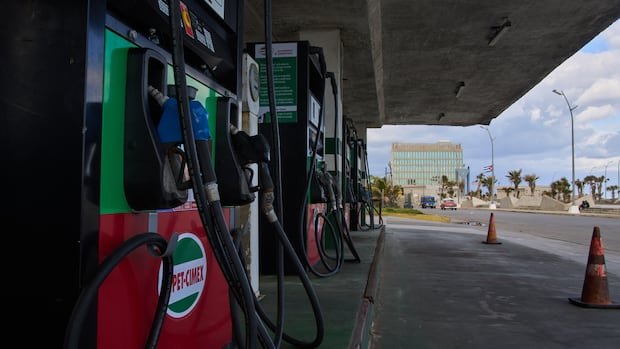
Earlier this year, operations at Sherritt’s Moa joint venture in Cuba were halted as the country faced fuel shortages following the U.S. embargo on Venezuelan oil in January. Colin Fagan from the Fort Saskatchewan chamber of commerce highlighted the economic challenges faced by Alberta’s Industrial Heartland over the past decade, largely influenced by external economic factors.
Before the pause, Sherritt’s joint venture involved mining and processing ore into mixed sulphide precipitate containing nickel and cobalt, which was then shipped to the refining facilities in Alberta. The Sherritt refinery, described as one of the oldest processing projects in North America, is noted for producing battery-grade cobalt, a significant asset in the current industry climate.
Sherritt is currently in discussions with its lenders regarding its financial situation. The company indicated that it may struggle to repay its debts earlier than scheduled if accelerated by creditors, with uncertainties surrounding refinancing or extending debt under the prevailing conditions.
Moreover, Sherritt has entered into a non-binding agreement with Gillon Capital LLC, a family office associated with a former Trump administration adviser, to potentially acquire a majority stake in the company through a preliminary private placement deal. The company’s Fort Saskatchewan refinery facilities boast an annual production capacity of approximately 38,200 tonnes of nickel and cobalt.