
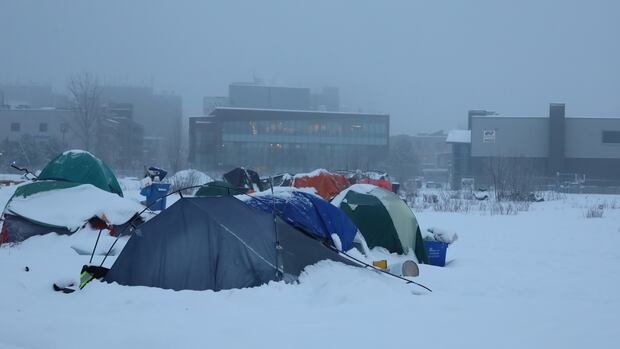

A recent report highlighting the increase in rural homelessness in Ontario has reiterated the need for additional funding for housing and social services, according to advocates assisting homeless individuals in non-urban areas of the province. Data compiled by the Association of Municipalities of Ontario (AMO) and the Northern Ontario Service Deliverers Association, sourced from local social services staff, revealed that nearly 85,000 individuals were experiencing homelessness in Ontario in 2025, marking an eight percent surge from the previous year.
The report indicated that rural regions experienced a more substantial spike in homelessness compared to other community types, with a 31 percent increase in unhoused individuals in predominantly rural areas, totaling over 4,600 people in 2025. Erin Schooley, the homelessness program manager for Huron County, emphasized the importance of addressing these issues at both urban and rural levels, urging multiple levels of government to respond effectively.
In Huron County alone, 195 individuals were reported as homeless in December, aligning with the provincial average. Schooley highlighted the concerning trends in how individuals enter and remain within the homelessness system, noting the grim realities post-pandemic. Huron County has implemented initiatives such as “bridge housing,” offering private accommodations with access to support services through partnerships with local organizations like the Canadian Mental Health Association.
Despite receiving assistance from the province’s homelessness prevention program, Huron County still faces challenges in funding certain programs through property tax levies, placing strain on taxpayers. The AMO report acknowledged the limitations in rural communities, where lower population density and smaller tax bases hinder the reliance on property tax levies alone.
Danielle Neilson, the manager of housing stability services in St. Thomas and Elgin County, highlighted the complexities of tracking rural homelessness, emphasizing the lack of resources and privacy concerns in smaller communities. Neilson emphasized the need for increased funding to address the growing demand for housing services, stressing that current funding levels are insufficient to sustain effective programs.
Elgin County’s housing waitlist has decreased slightly, but Neilson emphasized the ongoing underfunding of homelessness response programs, which hinders the sector’s ability to provide comprehensive services. The province has augmented support for rural areas through targeted programs, but the report noted that rural municipalities heavily rely on property tax revenue, posing financial challenges in addressing homelessness effectively.
In Bruce County, the waitlist for community housing has grown by 17 percent, underscoring the pressing need for significant investments in housing infrastructure. Local officials are calling on the provincial and federal governments to expedite housing initiatives to meet the immediate needs of vulnerable populations in rural communities.