
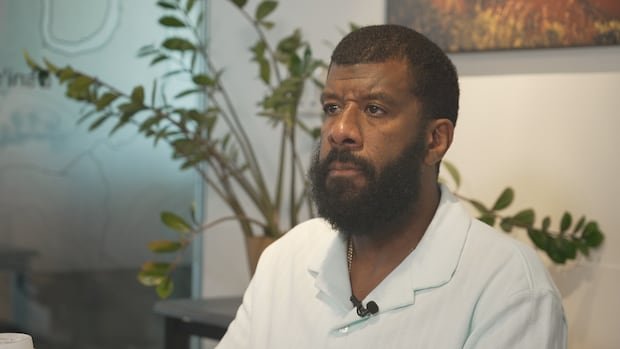

A recent report by the Nova Scotia Human Rights Commission points out a perceived racial bias within the regulatory body overseeing the legal profession in the province, particularly highlighting the case of Lyle Howe, a Black lawyer disbarred in 2017. Howe has long contended that systemic racism has played a role in his treatment. Following complaints lodged against the Nova Scotia Barristers’ Society, an investigator’s report from August 2025 supported Howe’s claims, suggesting that white lawyers faced less severe repercussions for serious misconduct compared to Black and racialized lawyers.
The report recommended advancing the matter to a full board of inquiry, and in response, a three-member panel was appointed by Chief Judge Perry Borden of the Nova Scotia Provincial Court in February. While the process leading to a board of inquiry is typically confidential, the barristers’ society has sought a judicial review of the decision for a hearing, resulting in the investigator’s report becoming public record.
Howe expressed satisfaction with the findings of the report, indicating that it not only validated his discrimination claims but also delved into the treatment of Black lawyers over the past 25 years. Howe’s disbarment by a disciplinary committee of the Nova Scotia Barristers’ Society, due to professional misconduct and incompetence following a lengthy hearing, was contrasted with the treatment of other lawyers, including Nash Brogan, a white lawyer who received a six-month suspension for similar infractions.
Analyzing over 60 disciplinary cases spanning from 2000 to 2023, the report highlighted that the penalties imposed on Howe were among the most severe. Howe accused the barristers’ society of being inconsistent, citing their acceptance of recommendations to address racism in the justice system by the Ruck report while contesting the human rights commission’s decision on his case.
In response, Jennifer Pink, interim executive director of the barristers’ society, defended the society’s stance, emphasizing that courts found no evidence of racial bias in Howe’s disbarment. Howe reiterated that the human rights commission’s focus on discrimination differs from that of the courts, emphasizing the need to scrutinize the society’s actions.
Despite facing challenges, Howe remains hopeful that his advocacy for change will benefit future Black lawyers. Reflecting on his personal journey, he acknowledged the lost time and opportunities due to discrimination but expressed a desire to prevent others from enduring similar struggles, especially considering one of his sons’ aspirations to pursue a legal career.