
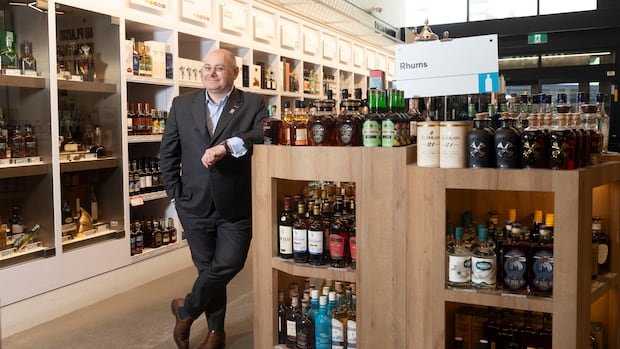

In Quebec, consumers can now conveniently purchase gin alongside bulk toilet paper at Costco or Maxi, have wine swiftly delivered via Uber Eats, and soon receive targeted notifications on the latest alcohol deals. The province’s state-controlled liquor retailer, the Société des alcools du Québec (SAQ), is taking proactive measures to maintain sales amid a decline in alcohol consumption.
These initiatives by the SAQ have sparked concerns among public health experts who fear that the agency is prioritizing sales over social responsibility. According to Kim Brière-Charest, a researcher with the Quebec Public Health Association, the increasing strategies to boost sales could have significant health and societal costs.
Despite a 3.6% decrease in alcohol consumption in the province last year, the SAQ continues to be a vital revenue source for Quebec, contributing $1.4 billion in 2024-25. To address the changing market dynamics, the SAQ unveiled a strategic plan focusing on proactive actions to adapt to evolving consumer preferences.
In addition to partnering with Uber Eats for home delivery, the SAQ is expanding its presence in various retail outlets such as grocery stores, convenience stores, and a Montreal-based Costco through “SAQ Zones.” The plan also includes leveraging personalized text messages and push notifications to drive sales while emphasizing responsible consumption.
Critics, including the Institut de recherche et d’informations socioéconomiques (IRIS) and the Canadian Union for Public Employees, have raised concerns about the SAQ’s strategies. They argue that the SAQ’s reliance on private businesses may compromise public health benefits associated with state-operated liquor sales.
In response to criticisms, SAQ spokesperson Laurianne Tardif reiterated the corporation’s commitment to responsible alcohol sales and revenue generation for government initiatives. The SAQ Zones and Uber Eats partnership are part of controlled pilot programs aimed at meeting consumer expectations while ensuring strict oversight and compliance with regulations.
Comparatively, public health experts highlight the discrepancies between alcohol and cannabis sales in Quebec. While alcohol-related costs are substantial, cannabis, subject to stricter retail regulations, incurs lower economic impacts. The limited promotion and advertising of cannabis by the Société québécoise du cannabis (SQDC) contrast with the extensive retail network and promotional activities of the SAQ.
Brière-Charest emphasizes the need for a more health-centric approach in alcohol sales, similar to the safeguards in place for cannabis. Integrating best practices from the cannabis industry could help address the health and social implications associated with alcohol consumption.