
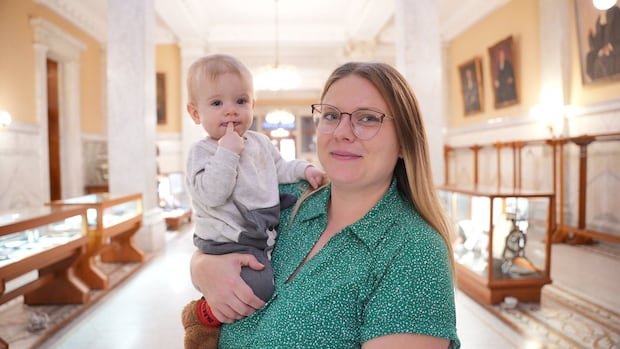

During the peak heat of last summer, Lyndsay MacKay would often find her 16-month-old son at daycare in a diaper, his skin sticky and hair matted. Witnessing him exhausted and sometimes falling asleep at dinner, she acknowledged the efforts of the caregivers in trying to keep the children cool and comfortable.
As an early childhood education professor in Toronto, MacKay, along with a growing coalition of parents, educators, and health advocates, is advocating for stricter regulations on indoor temperatures at daycares. The push is to establish a maximum indoor temperature, likely around 26 degrees Celsius, similar to the standards set for long-term care facilities in Ontario.
Infants, toddlers, and preschoolers are more vulnerable to heat-related illnesses like heat exhaustion and heatstroke due to their higher metabolism and less efficient sweat glands. Identifying symptoms in young children can be challenging as they may exhibit signs like fatigue, flushed skin, irritability, and difficulty walking.
Recognizing the importance of maintaining a safe environment for children, some childcare centers have taken steps to install air conditioning units despite the considerable cost involved. However, there is a lack of clear regulations governing maximum indoor temperatures in daycares across Canada.
While some provinces have guidelines for maintaining a healthy and safe environment in daycares, there is no specific temperature limit specified. Lobbyists and advocacy groups are calling for more stringent regulations and funding for retrofitting to ensure the well-being of children in daycare settings, especially as summers are projected to become hotter in the coming years.
In light of the increasing heat and wildfire risks, daycare operators are facing challenges in keeping children safe and cool during extreme weather conditions. The need for proactive measures to address rising temperatures and ensure the comfort and safety of children in daycare facilities remains a pressing issue for parents, educators, and health advocates alike.