
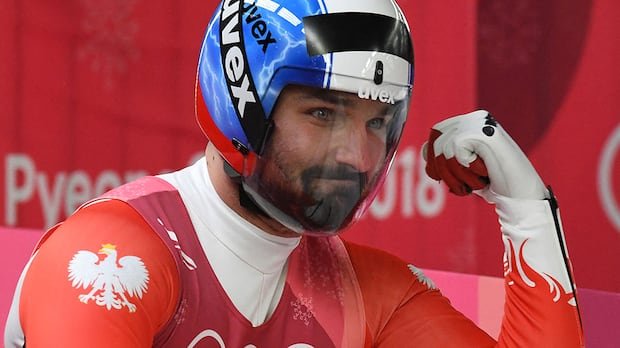

Maciej Kurowski, a three-time Polish Olympian, has been appointed as the new head coach of the Canadian luge team leading up to the 2030 Winter Olympic Games in the French Alps. The 40-year-old, hailing from Jelenia Gora, previously coached South Korea during the Milano-Cortina Winter Olympics in February, collaborating with former Canadian team coach Wolfgang Staudinger. Kurowski also has experience working with Korea’s development team.
In preparation for the 2022 Beijing Olympic Games, Kurowski played a coaching role in the International Luge Federation’s development program, aiding 10 athletes from emerging luge nations in their qualification efforts. The contract of Robert Fegg, who served as Canada’s luge team coach from 2022 to 2026, concluded in May.
During his athletic career, Kurowski competed for Poland for 13 years, making his World Cup debut in Calgary in 2006 and his Olympic debut in 2010 in Whistler, B.C. Expressing his connection to Canada, Kurowski mentioned that Canada was the first North American country he visited, emphasizing his admiration for Team Canada’s growth and development over the years.
Under Wolfgang Staudinger’s coaching in 2018 in Pyeongchang, South Korea, Canadian lugers secured the country’s first Olympic medals in the sport, with Alex Gough winning a bronze in women’s singles, and Gough, Sam Edney, Justin Snith, and Tristan Walker clinching relay silver.
While Whistler currently houses Canada’s only sliding track, the closure of Calgary’s sliding track in 2019 has left Whistler as the primary venue for national sliding teams. Kurowski, having observed coaching techniques and sled management of Olympic and world champions during his time as Poland’s sole male singles slider, brings a wealth of experience to his new coaching role with the Canadian team.
Looking ahead to the next Olympic cycle, Luge Canada’s executive director Tim Farstad expressed confidence in Kurowski’s leadership qualities, citing his Olympic experience, technical proficiency, and collaborative leadership style as assets that will benefit the organization’s direction towards continuous improvement, evidence-based coaching, and athlete development.