
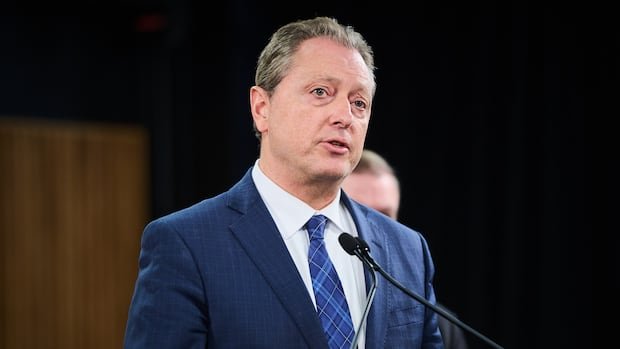

Ontario is planning to overhaul freedom-of-information laws by shielding the records of Premier Doug Ford and cabinet members from public access, a move criticized for limiting transparency in government operations. Public and Business Service Delivery and Procurement Minister Stephen Crawford defended the government’s commitment to transparency, highlighting initiatives such as an open data catalogue and past publication of financial information from the previous Liberal government.
The proposed changes, which will apply retroactively, could impact ongoing efforts by news organizations seeking information related to the Greenbelt scandal and Premier Ford’s cellphone records, including an ongoing court battle over the latter. The government aims to block the release of these records, making them exempt from freedom-of-information requests. However, requests for records held by public servants in government ministries will still be allowed.
Privacy commissioner Patricia Kosseim criticized the move, stating that retroactively altering the law undermines public accountability by shielding government business records from scrutiny. The changes would extend the protection to records of the premier, cabinet ministers, and parliamentary assistants, limiting access to critical information about government decision-making processes.
Minister Crawford justified the changes by pointing out the lack of explicit protections for cabinet records in Ontario compared to other jurisdictions. He emphasized the need to update the law, which was written nearly four decades ago and did not anticipate modern communication methods and cybersecurity challenges. The government also plans to extend the response timelines for freedom-of-information requests and strengthen cybersecurity regulations.
Critics, including NDP Leader Marit Stiles and Greens leader Mike Schreiner, condemned the revisions as an attempt to evade accountability and hide crucial information from the public. Stiles accused Premier Ford of altering the rules to conceal the truth, while Schreiner called for more transparency and honesty in government decision-making processes. The proposed changes have sparked concerns about the erosion of democratic principles and the importance of access to government information for ensuring accountability.