
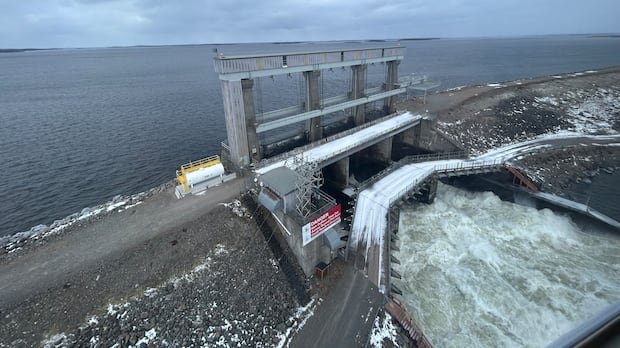

A recent agreement between Newfoundland and Labrador and Quebec regarding Churchill Falls is gaining more attention, shedding light on plans to enhance energy generation and how the allocation will be divided. Unnamed sources disclosed to CBC News that a memorandum of understanding was close to finalization, with an official announcement likely next week.
Reported initially by Radio-Canada, insiders revealed that under the new agreement, both provinces will receive a substantial increase in electricity compared to the previous understanding. Quebec is set to obtain approximately 10,000 MW, while Newfoundland and Labrador will secure at least 2,350 MW, potentially up to 3,000 MW, subject to finalization details.
To achieve the augmented power output, the parties have decided to advance the development of a more potent hydroelectric facility at Gull Island and enhance the generator capacity of the turbines at the existing Churchill Falls plant. Notably, the updated deal now incorporates wind power, a feature absent in the 2024 memorandum.
Minister Lela Evans refrained from disclosing specific details of the new MOU during a recent interaction with the media, emphasizing the positive outcomes expected from the agreement. The potential necessity of a referendum on the new deal, a campaign promise made by N.L. Premier Tony Wakeham, was not directly addressed by Evans, who highlighted the economic benefits and job opportunities the agreement could bring.
Labrador City Mayor Jordan Brown expressed the urgency for a revised deal that would bolster electricity production, suggesting that delays could have led to project cancellations and economic setbacks in the region. The updated agreement reportedly guarantees transmission access of 985 megawatts through Quebec, enabling Newfoundland and Labrador to sell surplus electricity via Hydro-Quebec’s network to other markets.
Industry experts like Gabe Gregory view the expanded market access as a positive development, albeit with cautious optimism pending official confirmation of the MOU details. Gregory stressed the importance of an independent review of the agreement and emphasized the significance of public participation in decisions concerning valuable resources like Churchill Falls.
Ben Oates, representing Friends of Renewable Churchill Energy, commended the enhancements in the new MOU but urged for swift progress in negotiations, citing potential risks associated with upcoming political changes. Oates highlighted the need for federal support in construction projects, particularly the long-awaited third transmission line in Labrador.
The evolving Churchill Falls agreement continues to draw attention and scrutiny, with stakeholders closely monitoring developments as the provinces strive to secure a mutually beneficial deal.