
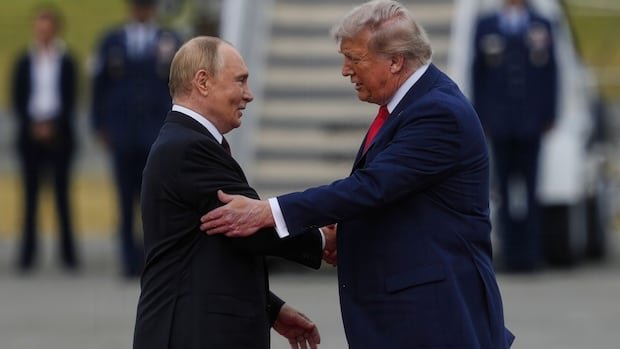

The agreement controlling the strategic nuclear arms deployment between the United States and Russia has lapsed, raising uncertainties about the future plans of Presidents Donald Trump and Vladimir Putin. The New START treaty, which is the latest in a series of agreements dating back to 1972, has ended, resulting in no formal restrictions on the size of the world’s two largest nuclear arsenals for the first time in over 50 years.
There is a debate among experts about whether the treaty’s expiration will trigger a new nuclear arms race, but there is a general consensus that the agreement needs significant revisions to address current nuclear dynamics, especially considering China’s expanding weapons program. However, the prospects of Trump, Putin, and China’s President Xi Jinping swiftly reaching a new agreement seem optimistic at best.
Former U.S. diplomat Thomas Countryman has warned of the increased risk of nuclear weapon use following the treaty’s expiration, comparing it to the Cuban Missile Crisis of 1962. Under the now-defunct treaty, the U.S. and Russia were limited to 1,550 nuclear warheads each and had restrictions on their intercontinental and submarine-launched ballistic missiles and launchers.
Despite Russia proposing to renew the treaty before, the agreement was partially undermined when Russia suspended its adherence in 2023 due to tensions with the Biden administration over Ukraine. Trump has downplayed the significance of the treaty’s end, expressing interest in negotiating a new, improved, and modernized agreement that can endure.
U.S. Secretary of State Marco Rubio has also emphasized the importance of involving China in any future arms control agreements due to its substantial and growing nuclear stockpile. A Pentagon report predicts that China could increase its nuclear warheads from around 600 to over 1,000 by 2030. The U.S. and Russia are reportedly working on a deal to maintain the weapon limits of the New START treaty without a formal extension.
While some experts believe that allowing the treaty to expire could hinder efforts to restrain China’s nuclear buildup, others argue that negotiating a new treaty could take considerable time. Despite uncertainties surrounding the treaty’s expiration, there is a growing recognition of the need to address China’s nuclear expansion in the broader arms control framework.