

The rising costs of food and shelter have been widely discussed as key factors in the affordability crisis. However, according to consumer price index (CPI) data, the expenses related to maintaining good health in Canada have also significantly increased since the peak of overall inflation in June 2022.
The surge in health-care expenses may not be as noticeable to many Canadians, experts suggest. This is partly because a portion of these costs is covered by the public health-care system, which is not factored into the CPI data. Additionally, out-of-pocket health expenses are often sporadic and may not be as consistently top-of-mind for consumers as regular bills like rent or groceries.
Despite being somewhat overlooked, health-care prices have been on a steep upward trajectory in recent years, with expectations of further increases. Andrew Longhurst, a senior researcher at the Canadian Centre for Policy Alternatives (CCPA), highlighted the significant rise in health and personal care costs, which have escalated by over 15 percent, trailing behind shelter costs and slightly below food prices.
Specifically, the subset of health-care services has seen an 18.5 percent increase, comparable to the rise in food prices. This category includes services such as eye exams, physiotherapy appointments, and basic dental care, which have all experienced a notable price hike.
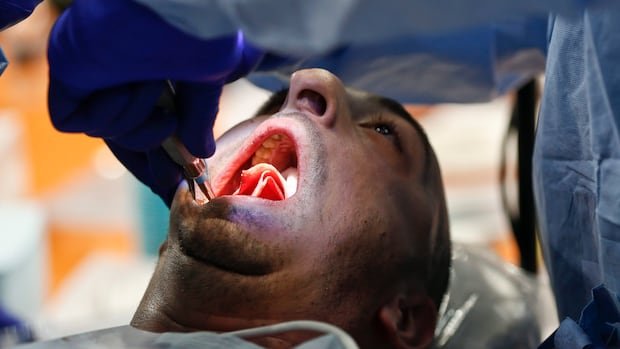
Dental care services and eye care goods have witnessed a 20 percent price surge since June 2022. These areas demonstrate a divide between public and private sectors within the health-care industry, with limited public provision and minimal control over costs in the private domain.
Statistics from Statistics Canada indicate that health-care services have consistently outpaced overall inflation rates, with the costs of skilled labor contributing to the upward trend. This sector is less amenable to cost-saving measures, particularly due to labor shortages and increasing demand for qualified professionals.
Moreover, the absence of constraints on private health-care costs has led to continuous escalation, unlike services covered by provincial health insurance. The implementation of the Canadian Dental Care Plan in 2024 aimed to address some of these issues, but dental care costs have continued to rise, posing challenges for both patients and providers.
Despite the substantial increase in health-care expenses, many Canadians may not fully grasp the extent of price inflation due to the public health-care system covering a significant portion of costs. In comparison to food and shelter expenses, health and personal care represent a smaller proportion of the total consumer price index (CPI) basket.
Private spending on health care is gradually increasing, with Canadians bearing a larger share of the financial burden. An analysis by the Canadian Centre for Policy Alternatives (CCPA) revealed that private health-care spending per person grew at nearly double the rate of public spending from 2021 to 2023, indicating a shift towards more private expenditures in the health-care sector.
The potential impacts of rising health-care costs on individuals with limited financial resources are a cause for concern, as disparities in access to care based on income levels could widen. Longhurst emphasized the importance of government intervention to address these gaps and ensure equitable access to essential health services across the country.