
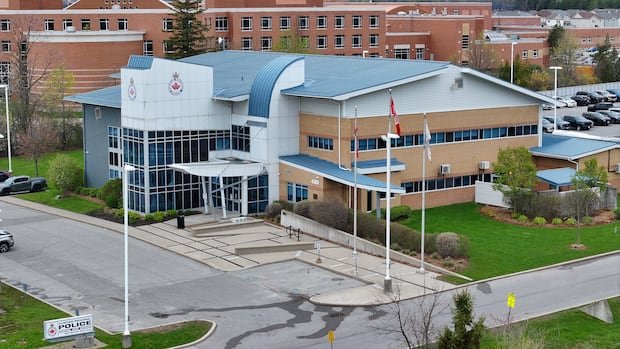

Multiple police officers in Durham Region diagnosed with post traumatic stress disorder (PTSD) have raised concerns that the police service is hindering their recovery by contesting their access to mental health benefits at work. Chief Peter Moreira mentioned that the service questions a minimal number of Workplace Safety Insurance Board (WSIB) claims to gather additional information on each case.
The officers’ accounts come after the disclosure of a six-year report by the Ontario Civilian Police Commission, which highlighted the Durham Regional Police Service (DRPS) as consistently opposing officers’ PTSD applications to the WSIB. While the report was obtained through a freedom of information request and heavily redacted, it does not provide specifics on officers’ statements.
Despite the investigation starting in 2019, five out of the six officers who shared their experiences with CBC News indicated that the service, under Chief Moreira’s leadership since March 2023, persists in challenging their claims. These officers, whose WSIB claims are still ongoing, were referred to using pseudonyms by CBC News to protect their identities.
According to DRPS data, around 10% of all WSIB claims, with a focus on mental health issues, have faced objections by the service since 2023. All six officers interviewed by CBC News had their claims objected to, with three now progressing through the formal appeal process.
The officers expressed feelings of betrayal and setback in their recovery due to DRPS’ objections, with some mentioning sleep difficulties and mood swings affecting their personal relationships. Despite receiving medical assessments from reputable institutions like CAMH and Trillium Health Partners, DRPS contested their claims, causing frustration among the officers.
Psychologist Sean O’Brien, who has treated DRPS members for nearly three decades, emphasized the damaging impact of objections without supporting arguments on his patients’ mental health. He described the appeals process as “absolutely devastating” for individuals coping with severe traumatic mental stress injuries.
Chief Moreira defended the service’s objection stance, attributing it to the need for timely access to information not readily available from the WSIB. He emphasized the challenges within the WSIB system following legislation changes in 2016, pointing to gaps in handling PTSD claims effectively.
While employers can request updates directly from the WSIB case manager on an injured worker’s progress, some officers like Stephen solely blame DRPS for their distress, contrasting the positive impact of WSIB support against the service’s actions.
CBC News contacted Shaun Collier, DRPS board chair and mayor of Ajax, and Durham Regional Police Association president Andrew Tummonds for their viewpoints. However, both declined interviews, with Tummonds expressing concerns over the detrimental effects of ongoing employer challenges to mental health claims on members’ recovery and work reintegration.