
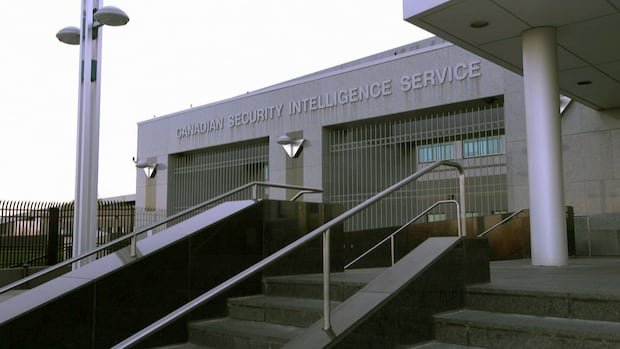

CSIS Admits Past Indigenous Investigations Caused Mistrust, Vows Reforms
The Canadian Security Intelligence Service (CSIS) acknowledges that its previous investigations into Indigenous individuals have led to enduring mistrust, but officials insist the agency is working to improve its practices. During a recent meeting at CSIS headquarters in Ottawa, two agency representatives, speaking anonymously, emphasized to CBC Indigenous that CSIS has moved away from its former “Native extremism” program. This program, active in the 1990s, unjustly labeled Indigenous activists as domestic extremists and potential terrorists in extensive nationwide probes.
According to the CSIS officials, recent coverage by CBC Indigenous has served as a reflection on past actions and a learning opportunity for the agency. Declassified documents reveal that the shadowy Indigenous surveillance initiative became increasingly intrusive between 1988 and 1999, even involving unconfirmed participation in the Ipperwash and Gustafsen Lake standoffs in 1995. The program, criticized by academic analysts for being overreaching and biased, included a network of sources, protected contacts, and police connections until at least 1998-99.
CSIS is now focused on building trust and collaborating with Indigenous organizations like the Assembly of First Nations and Inuit Tapiriit Kanatami. Initiating this new approach in 2022, the agency engaged with Inuit leaders amidst concerns about foreign interference in the North. The officials highlighted a shift from an intelligence-gathering approach to sharing information with these communities, although progress has been slow, especially in connecting with First Nations groups where mistrust remains prevalent.
Katsi’tsakwas Ellen Gabriel, a Kanien’kehá:ka activist, remains skeptical of CSIS’s intentions, citing the agency’s historical actions and its focus on protecting national security at the expense of Indigenous rights. Gabriel, who faced surveillance following the Oka Crisis, doubts the sincerity of CSIS’s outreach efforts to national Indigenous organizations and believes grassroots activists are the true frontline advocates.
CSIS officials attribute their evolving approach to recent events such as Prime Minister Justin Trudeau’s reconciliation efforts, the Truth and Reconciliation Commission, and the impact of figures like Murray Sinclair. They also point to legislative changes, including the implementation of the UN Declaration on the Rights of Indigenous Peoples, as evidence of their commitment to progressive policies. However, Gabriel asserts that CSIS’s actions remain unforgivable, emphasizing the lack of apology, transparency, and assurances against regression into past practices.
In conclusion, while CSIS aims to reform its relationship with Indigenous communities, skepticism and mistrust persist among activists like Gabriel, underscoring the complexities of rebuilding trust and addressing past injustices.